Sustainable fat loss is governed by a repeatable nutrition framework rather than temporary willpower or extreme restriction.
While trendy diets rely on severe elimination rules that lead to burnout, a structured meal plan provides a predictable balance of calories, macronutrients, and whole foods tailored to your daily energy needs.
By focusing on consistency, portion control, and metabolic alignment, you create a long-term eating strategy that delivers lasting weight loss results without sacrificing your energy or health.
What If Choosing the Right Meal Plan Is the Only Weight Loss Decision That Actually Matters?
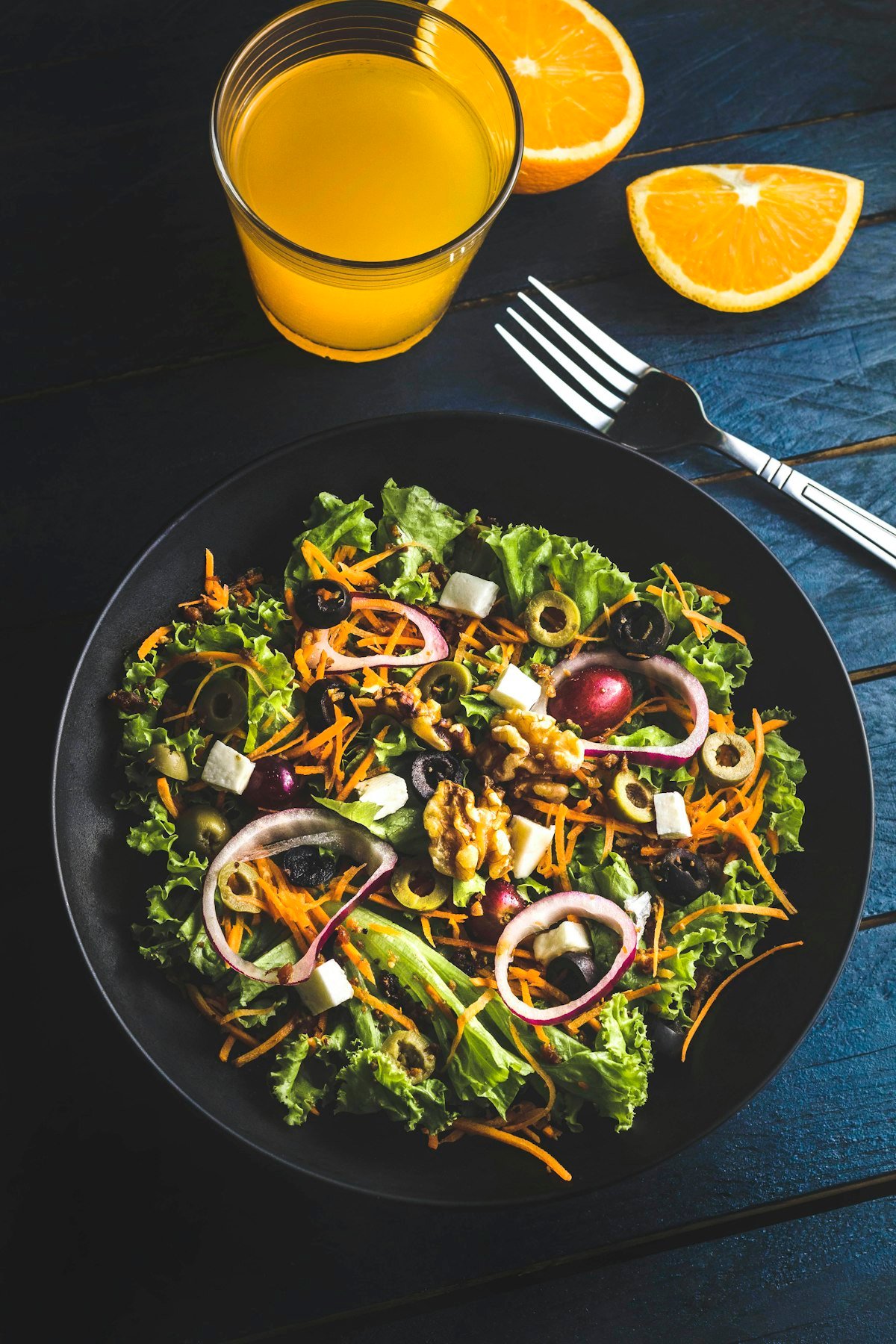
Think about every weight loss attempt you have made. The supplements that promised miracles. The workout programs that left you sore but still soft around the middle. The trendy diets that worked for two weeks and then fell apart. Now think about the one variable that was present in every single attempt, whether it succeeded or failed: what you ate every day.A master meal plan integrates high-quality protein, complex fiber, and healthy fats across every calorie level.
The right meal plans for weight loss do not just tell you to “eat less.” They give you a precise, repeatable system that controls your calories, delivers your macronutrients, and fits into your real life, including your budget, your schedule, and the foods you actually enjoy eating. That is the difference between a diet you abandon in February and a nutritional framework you follow for years.This is the most comprehensive resource you will find on meal planning for weight loss. Whether you are looking for the best meal plan for weight loss tailored to a specific calorie level, a Mediterranean diet meal plan for weight loss, a vegetarian meal plan for weight loss, or a personalized meal plan for weight loss you can adapt to your unique needs, this guide covers every angle. Each section is designed to give you practical, evidence-based strategies that you can start using today.
Calorie Tier Master Comparison Matrix
Selecting the right calorie target is critical. Compare the key features of popular daily calorie targets below:
Calorie Tier
Target Audience
Safety & Medical Profile
Macro Split Target
Fat Loss Rate
1,000 Calories / Day
Very small females / Bariatric patients
Requires Medical Supervision
40% P / 35% C / 25% F
Rapid (Short-term)
1,200 Calories / Day
Sedentary small women
Minimum safe baseline for women
35% P / 40% C / 25% F
1.5 – 2.0 lbs / week
1,400 Calories / Day
Average-framed women (light activity)
Highly sustainable for most females
30% P / 40% C / 30% F
1.0 – 1.5 lbs / week
1,500 Calories / Day
Active women / Sedentary men
Gold standard balance of energy & deficit
30% P / 40% C / 30% F
1.0 lb / week
1,800 Calories / Day
Active men / Athletic females
Preserves high muscle & training performance
30% P / 45% C / 25% F
0.75 – 1.0 lb / week
Dietary Style Comparison Matrix
Different dietary styles approach fat loss in distinct ways. Find the pattern that aligns best with your lifestyle:The Mediterranean dietary pattern combines heart-healthy olive oil, omega-rich seafood, and fresh plant foods for long-term health.
Maximum muscle retention & elevated thermic effect (TEF)
Requires diligent meal prep to meet daily protein targets
Vegetarian Diet
Lentils, chickpeas, tofu, tempeh, eggs, dairy
High dietary fiber promotes gut microbiome health
Carb-to-protein ratio can run high if eating processed substitutes
Flexible Dieting (IIFYM)
80% Whole foods / 20% Any foods within macros
Zero feeling of deprivation; excellent social adaptability
Requires continuous calorie & food tracking apps
Sample 7-Day Master Calorie Meal Plan Blueprint (1,500 Calorie Target)
To give you a real-world example of how to balance protein, healthy fats, and fiber-rich carbohydrates, here is a complete 7-day meal plan targeting ~1,500 calories per day with 110g–130g of protein.
Tuna salad meal prep bowl with chickpeas, cucumbers, and olive oil
Baked chicken breast, steamed green beans, and cauliflower mash
Cottage cheese (3/4 cup) with pineapple chunks
Friday
Whole grain English muffin with almond butter and sliced banana
Grilled shrimp bowl with black beans, corn, salsa, and brown rice
Turkey meatballs over spaghetti squash with marinara sauce
Hard-boiled eggs (2) with sea salt & black pepper
Saturday
Avocado toast on sprouted grain bread topped with poached egg
Mediterranean chicken breast bowl with cucumber, olives, and hummus
Sirloin steak (5oz grilled), roasted Brussels sprouts, and a small baked potato
Protein bar (~20g protein, under 200 kcal)
Sunday
Protein pancakes topped with fresh strawberries and sugar-free syrup
Leftover sirloin steak salad with cherry tomatoes and balsamic dressing
Baked tofu or chicken breast stir-fry with mixed bell peppers & broccoli
Handful of mixed walnuts & dark chocolate piece (85%)
Metabolic Rate Adaptations & Caloric Deficit Math
As you lose body mass, your Total Daily Energy Expenditure (TDEE) gradually decreases. This biological mechanism, known as adaptive thermogenesis, occurs because a lighter body requires fewer calories to move and perform basic functions. To maintain consistent fat loss over a 12-week period, adjust your caloric intake downward by 50 to 100 calories for every 5 to 10 pounds of body weight lost, or increase non-exercise activity thermogenesis (NEAT) such as daily walking steps.
Portion Control Without Scales: The Hand Measurement Method
🖐️ Quick Visual Portion Guide
Protein (Palm of Hand): 1 palm = ~25-30g protein (chicken breast, fish, beef, tofu).
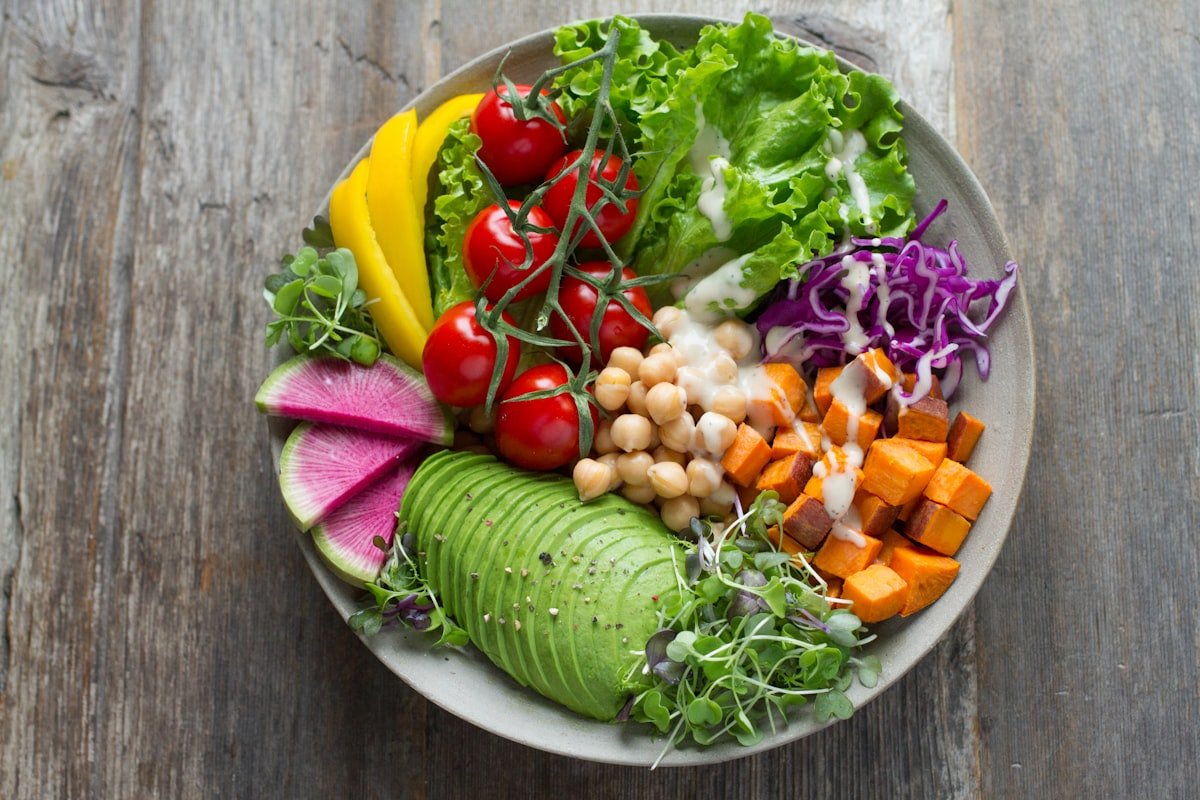
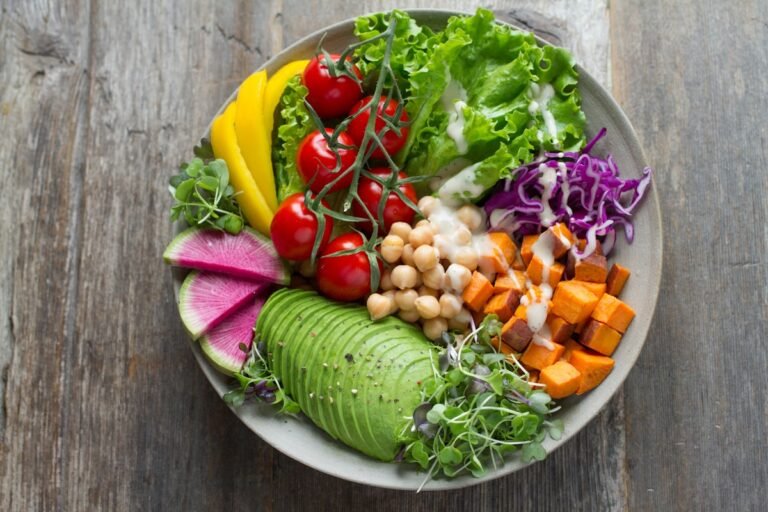
Plant-based buddha bowls combining extra-firm tofu, sweet potatoes, and fiber-rich greens satisfy vegetarian protein goals.
Plant/Vegetarian Source
Serving Size
Protein (g)
Dietary Fiber (g)
Net Carbs (g)
Shelled Edamame
1 cup (155g)
17g
8g
6g
Tempeh (Fermented Soy)
½ cup (83g)
15g
7g
2g
Extra-Firm Tofu
½ cup (126g)
10g
2g
1g
Cooked Green Lentils
½ cup (99g)
9g
8g
12g
Cooked Quinoa
1 cup (185g)
8g
5g
34g
Micronutrient Deficiency Prevention During Caloric Deficits
When total daily food intake is reduced, the density of micronutrients becomes far more important. A well-constructed healthy meal plan for weight loss prevents common nutritional gaps:
Iron & Vitamin C: Pair plant-based iron sources (spinach, lentils) with vitamin C (citrus, bell peppers) to boost absorption by up to 300%.
Calcium & Vitamin D3: Essential for maintaining bone density when losing weight. Incorporate fortified Greek yogurt, leafy greens, or daily sunlight exposure.
B-Complex Vitamins: Crucial for energy conversion from macronutrients. Ensure daily intake of eggs, lean poultry, or nutritional yeast for vegans.
Electrolytes (Potassium & Magnesium): Caloric restriction can deplete glycogen and water stores. Include dark leafy greens, avocados, and pumpkin seeds to avoid brain fog and muscle cramping.
Studies consistently demonstrate that decision fatigue is one of the leading triggers for dietary relapse. By late afternoon, after making hundreds of work and personal decisions, your brain’s prefrontal cortex experiences executive fatigue. Without a weekly meal plan pre-selected and prepped, you are significantly more likely to choose high-calorie, ultra-processed convenience foods.
💡 Pro Tip for Long-Term Compliance
Prepare your lunch and dinner choices 24 hours in advance. When food decisions are already made, you eliminate the friction between hunger and discipline.
Reverse Dieting: Preventing Weight Regain After Fat Loss
Once you reach your target body weight, jumping back to your pre-diet calorie intake immediately will trigger rapid fat regain because your metabolism has adapted to a lower intake. Reverse dieting is the process of gradually increasing daily calories by 50 to 100 calories per week over 4 to 8 weeks until reaching your new maintenance energy level. This slow stair-step approach restores metabolic rate without spilling excess calories into fat storage.
Weight Loss Plateau Breaking Action Matrix
If your scale weight stops dropping for more than two consecutive weeks, use this step-by-step diagnostic guide:
Plateau Symptom
Underlying Root Cause
Actionable Diagnostic Fix
Scale stalled; body measurements unchanged for 14+ days
Calorie creep from unmeasured cooking oils/sauces
Weigh all oils, nuts, and condiments on a food scale for 7 days.
Feeling cold, lethargic, and experiencing sleep disruption
Metabolic slowdown from excessive, prolonged deficit
Implement a 2-day diet break at maintenance calories (+300 kcal carbs).
Scale weight fluctuating rapidly by 2-4 lbs daily
Water retention from high sodium or hormonal luteal phase
Increase daily water intake to 3L; track 7-day rolling averages instead.
5 Essential Daily Habits for Permanent Weight Loss
🎯 The Daily Success Scorecard
Pre-Meal Hydration: Drink 16 oz of water 30 minutes before lunch and dinner.
Protein Anchor: Ensure every meal contains 25-30g of protein.
Half-Plate Veggie Rule: Fill 50% of your plate with non-starchy vegetables.
Mindful Eating Speed: Take at least 20 minutes to finish your main meals.
Sleep Discipline: Get 7-8 hours of quality sleep to keep ghrelin and cortisol in check.
Frequently Asked Questions
What is the best meal plan for weight loss overall?
The best meal plan for weight loss is one that creates a moderate calorie deficit (300 to 500 calories below TDEE), provides adequate protein (at least 25 percent of calories), includes a wide variety of whole foods, and is enjoyable enough to follow consistently for months.
How do I know how many calories I should eat per day to lose fat?
Calculate your Total Daily Energy Expenditure (TDEE) based on your age, height, weight, and daily physical activity level. Subtract 300 to 500 calories to determine your initial daily caloric target for sustainable weight loss.
Can I lose weight without counting calories or tracking macros?
Yes. Focus on portion control rules like the hand method (1 palm of protein, 1 fist of vegetables, 1 cupped hand of smart carbs, 1 thumb of healthy fats) and eliminate sugary drinks and processed snacks.
How long should I stay on a calorie-restricted meal plan?
It is recommended to run a fat-loss phase for 8 to 12 weeks, followed by a 1- to 2-week diet break at maintenance calories before starting another deficit phase if additional fat loss is needed.
How do liquid calories affect meal plan compliance?
Liquid calories from fruit juices, sodas, alcohol, and specialty coffee drinks pass rapidly through the stomach without triggering satiety signals in the brain. Eliminating liquid calories is often the easiest way to cut 300 to 500 calories a day without feeling hungrier.
Final Thoughts
Effective meal plans for weight loss are not about deprivation, extreme restriction, or eating foods you hate. They are about structure, strategy, and sustainability. Whether you follow a 1,200-calorie plan or a 1,800 calorie plan, the underlying principles remain the same: moderate calorie deficit, adequate protein, nutrient-dense whole foods, and a plan you can actually enjoy following week after week.
A comprehensive 7 day weight loss meal plan designed for effective fat loss. Features easy low-carb recipes, calorie breakdowns, tables, and a weekly grocery list.
Maximize fat loss while building lean muscle with our 7 day high protein low-carb meal plan. Features complete daily menus, macros, tables, and shopping lists.
Master how to plan weekly meals with this ultimate step-by-step guide. Features a 6-step framework, meal plan sheet template, theme night ideas, and prep hacks.
Simplify your evenings with this 7-day weekly dinner meal plan. Features quick 30-minute weeknight recipes, sheet pan meals, 1-skillet dishes, and grocery list.
Burn fat sustainably with this 1200 calorie vegetarian weight loss meal plan. Features high-fiber plant menus, calorie deficit guides, and master grocery lists.