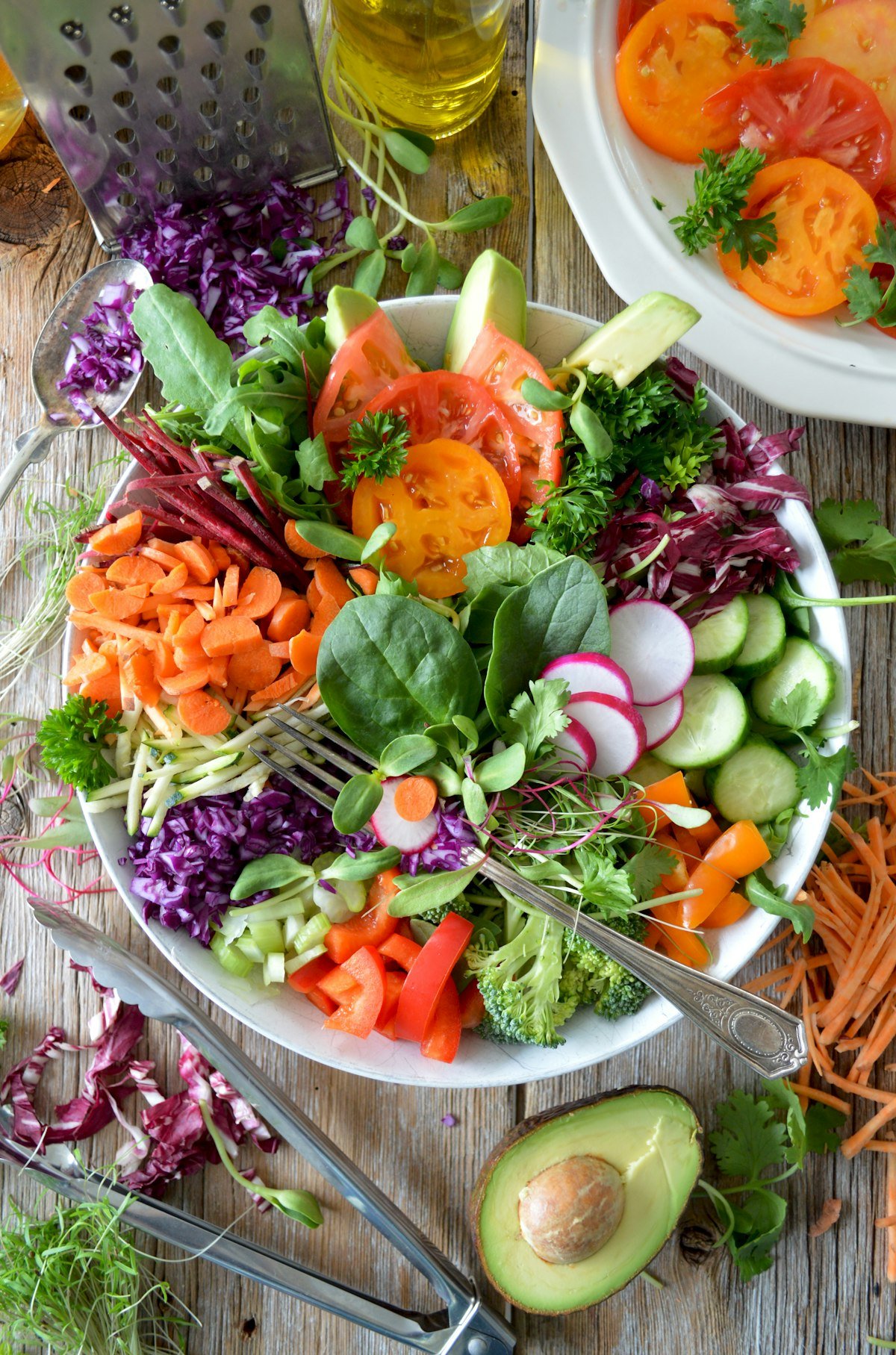
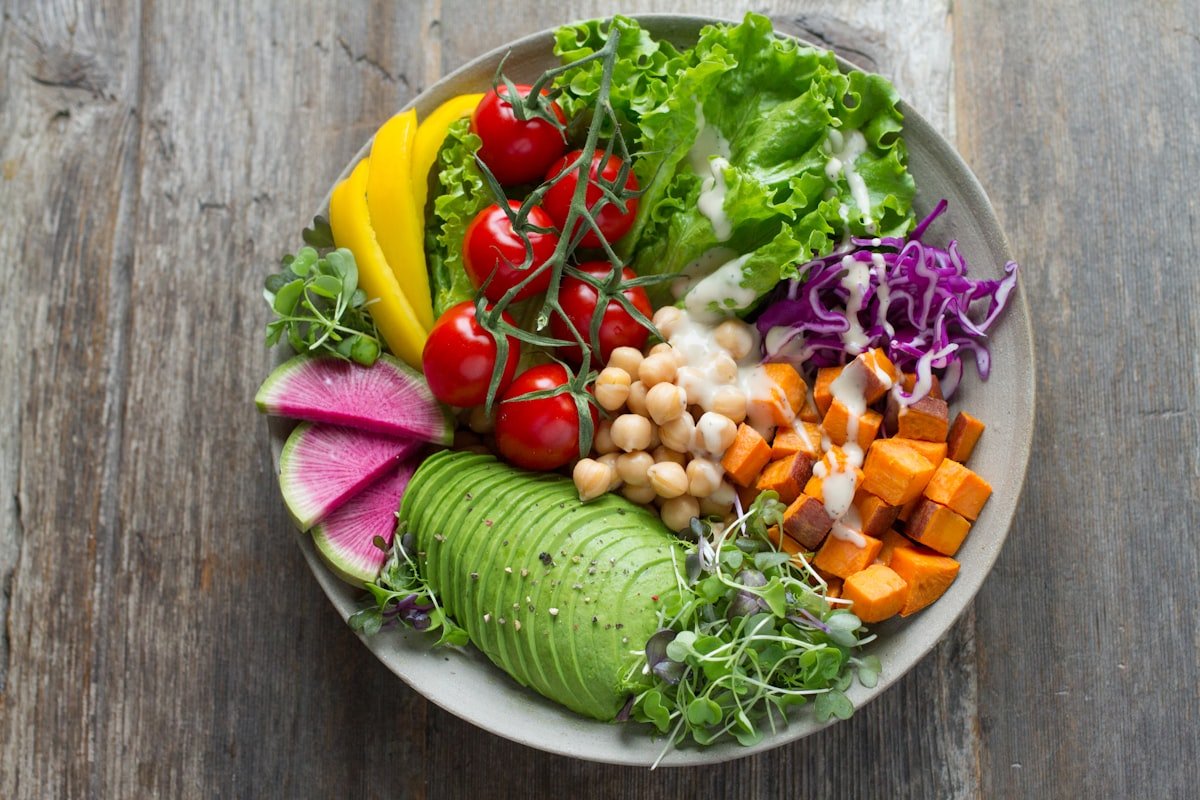
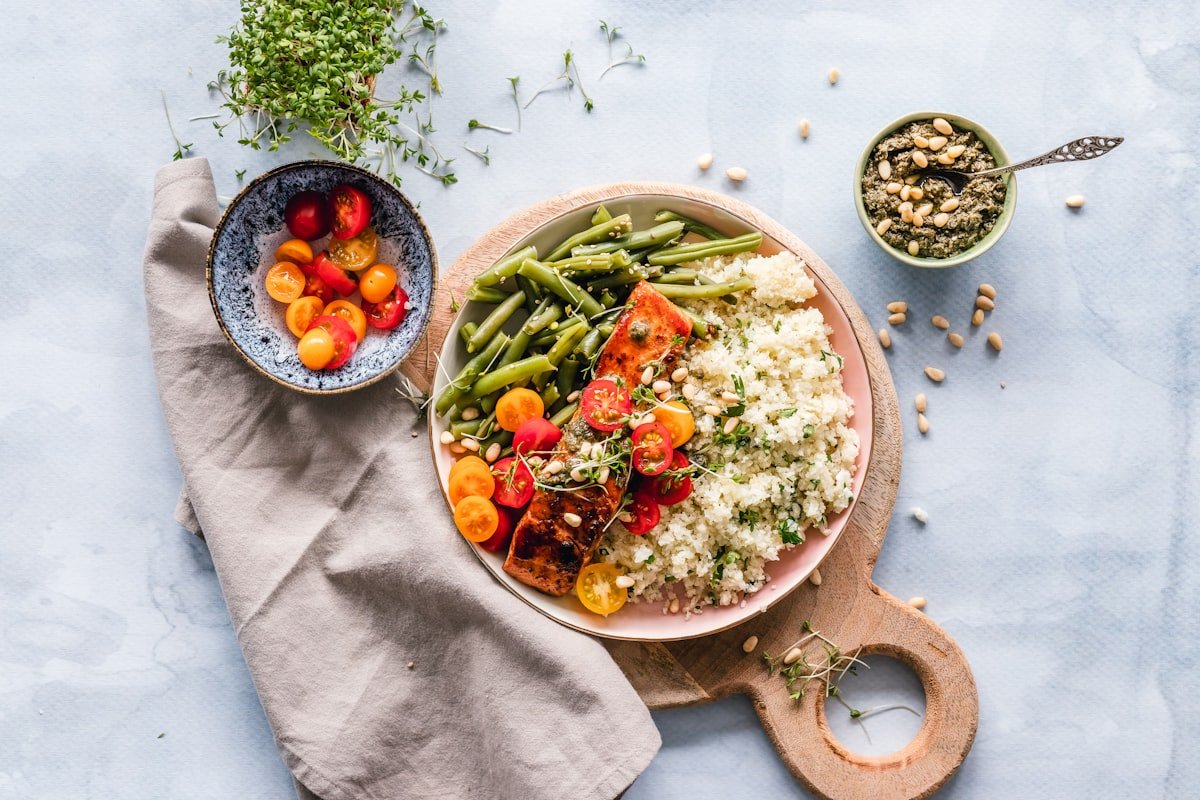
Adopting a balanced, whole-food healthy eating plan is the most effective approach for establishing sustainable energy, improving digestion, and maintaining an ideal body composition. Following a structured 7-day healthy meal plan eliminates guesswork by organizing nutrient-dense meals built around lean proteins, complex carbohydrates, healthy fats, and vibrant produce.Whole-food healthy eating provides clean, unrefined fuel for optimal energy and digestive health.
By focusing on unrefined ingredients—such as pasture-raised eggs, wild salmon, lean poultry, quinoa, sweet potatoes, avocados, and fresh berries—this weekly menu supplies essential micronutrients while maintaining a balanced daily intake of 1,800 to 2,000 calories.
The 4 Pillars of Whole-Food Nutrition
Optimal health and vitality rely on four foundational nutritional habits:
1. High Macronutrient Balance
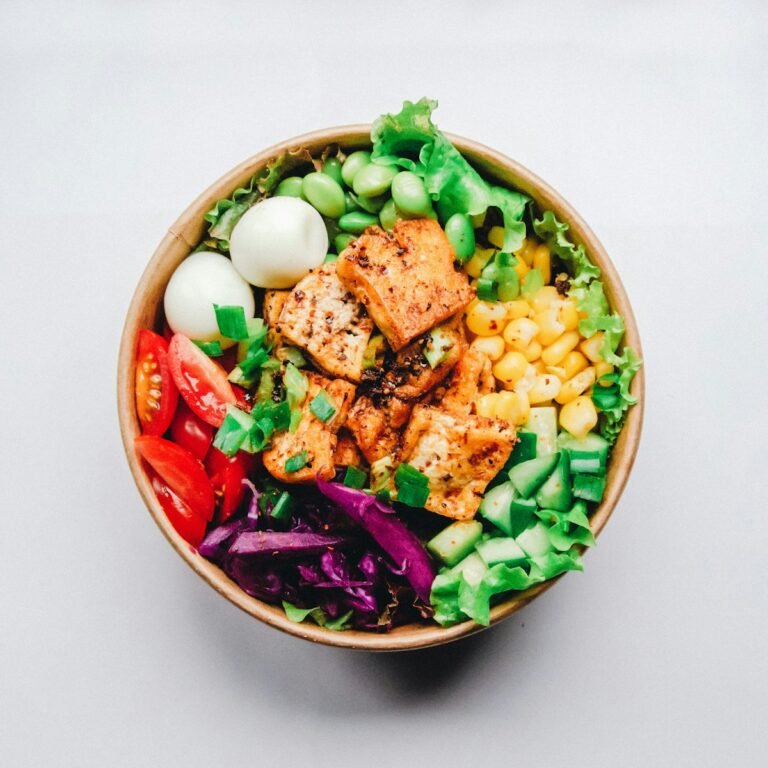
Each meal combines a clean protein source (25-35g), complex carbohydrates (30-45g), and healthy monounsaturated fats (10-15g) to maintain stable blood sugar levels.
2. Fiber Satiety & Gut Microbiome Health
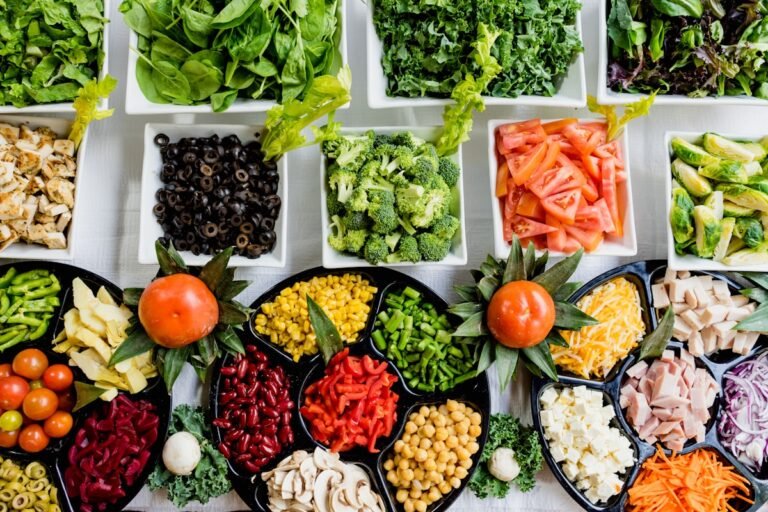
Consuming 35g+ of daily dietary fiber from oats, legumes, chia seeds, and leafy greens feeds beneficial gut microbiota, optimizing digestion and metabolic health.
3. Micronutrient Density
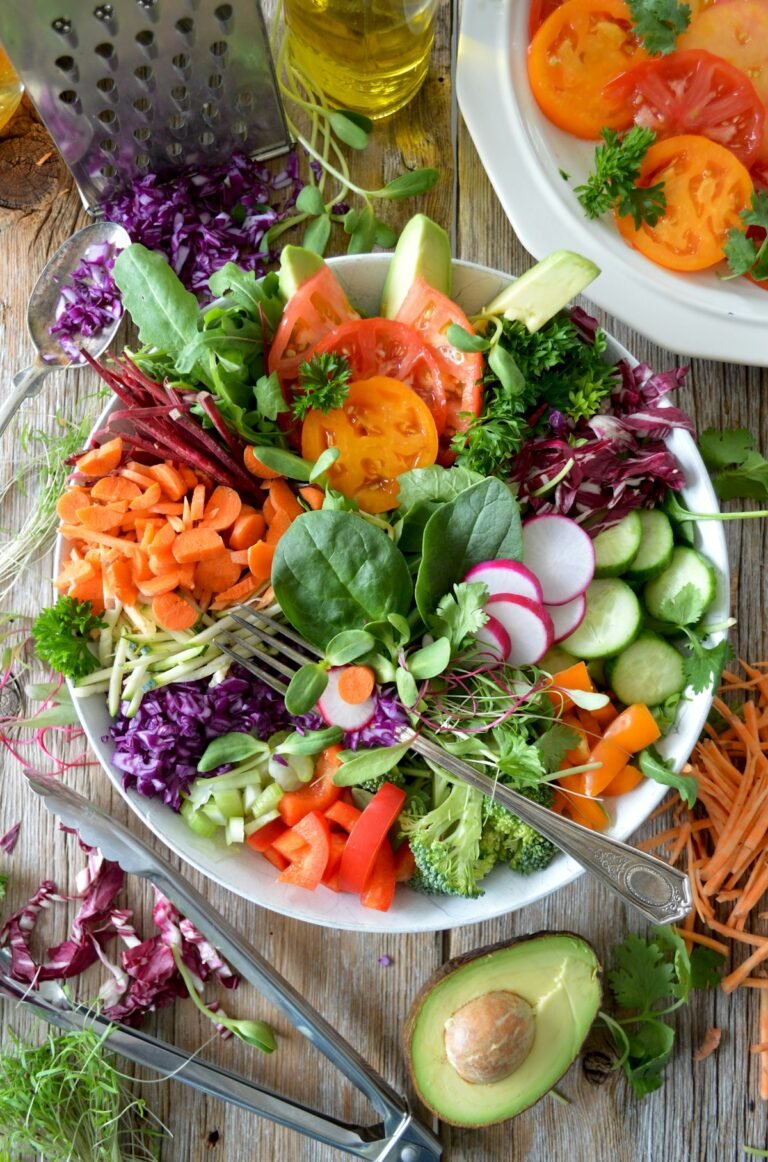
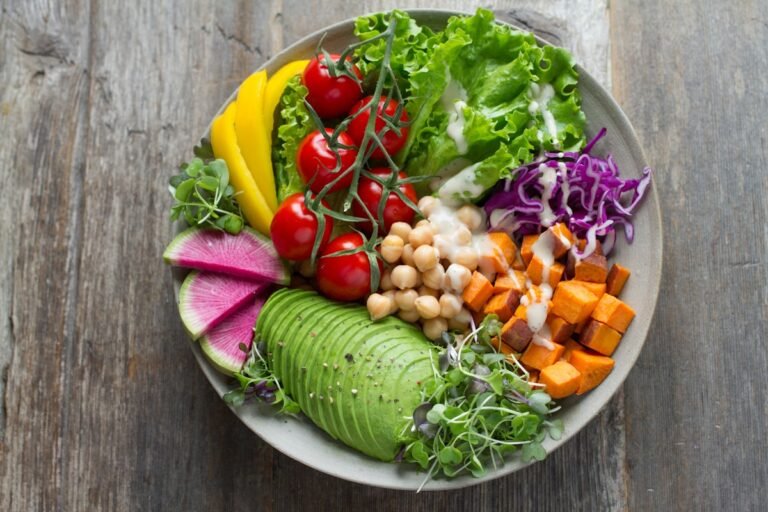
Emphasizing colorful fruits and vegetables ensures high antioxidant, vitamin, and mineral intake, combating cellular oxidative stress.
4. Whole Food Hydration
Hydrating with 2.5 to 3 liters of water daily supports cellular nutrient transport, joint lubrication, and efficient fat metabolism.
Complete 7-Day Healthy Eating Menu Schedule
This 7-day schedule provides full daily nutrition (Breakfast, AM Snack, Lunch, PM Snack, and Dinner), averaging 1,850 to 1,950 calories daily with high protein, intact carbohydrates, and clean fats.
Day 1: Whole Food Kickstart
Breakfast: 3 Scrambled Eggs with Spinach and Tomatoes + 1/2 sliced Avocado on 2 slices Whole Wheat Toast.
Morning Snack: 1 cup 0% Greek Yogurt topped with 1/2 cup Fresh Blueberries and 1 tsp Honey.
Lunch: 180g Grilled Herb Chicken Breast, 1 cup Cooked Quinoa, and 1.5 cups Steamed Garlic Broccoli.
Maximizing the taste and efficiency of your weekly meal plan requires smart kitchen techniques. Here are 3 practical habits to streamline your daily prep:
1. Master Safe Batch Storage
Store prepped meals in airtight glass food containers rather than plastic to prevent moisture buildup and preserve food texture. Keep cooked grains and proteins fresh for up to 4 days in the refrigerator, or freeze individual portions for up to 3 weeks.
2. Elevate Flavor Without Adding Extra Calories
Use zero-calorie seasonings such as smoked paprika, garlic powder, onion flakes, cayenne pepper, fresh lemon zest, apple cider vinegar, and fresh herbs (basil, cilantro, parsley) to intensify flavor profiles without introducing unwanted fats or sodium.
3. Adjust Portions for Daily Activity Levels
On high-intensity workout days, scale up complex carbohydrates or lean protein portions by 15% to 20% to support muscle recovery. On rest days, keep portion sizes at baseline to maintain steady fat loss.
Frequently Asked Questions (FAQs)
1. Is this healthy meal plan suitable for long-term eating?
Yes! This meal plan adheres to evidence-based dietary recommendations, emphasizing whole unrefined foods, adequate daily protein, and diverse micronutrients.
2. Can I swap meals around during the week?
Yes. As long as you maintain consistent daily caloric intake and macro targets, you can interchange lunches and dinners to fit your schedule.
3. Do I need to count calories on a healthy meal plan?
While portion control is naturally built into this guide, tracking your intake for the first 2 weeks ensures accuracy and helps build lifelong portion awareness.
Conclusion
Adopting a whole-food healthy meal plan is the foundation for lasting energy, optimal digestion, and peak vitality. Enjoy your healthy eating journey!
Shed body fat predictably with this vegan diet meal plan to lose weight. Features high-fiber plant menus, calorie deficit strategies, and master grocery lists.
Master plant-based ketosis with this vegan keto diet meal plan. Features net carb math, high-fat plant foods, 7-day menus, and low-carb plant grocery lists.
Simplify weeknight family dinners with our 7 day meal plan for family. Budget-friendly, kid-approved recipes with daily schedules and a master grocery list.
Discover a science-backed healthy meal plan for weight loss that balances nutrition, flavor, and sustainability. Learn how to build a balanced meal plan for weight loss with clean eating strategies, portion control, and whole-food recipes that support long-term results.
Fuel your body with this high-protein vegetarian weekly meal plan. Includes 7-day plant-based schedule (85g+ protein daily), recipes, shopping list, and prep hacks.
Elevate your health with this balanced 7-day clean eating weekly meal plan. Packed with nutrient-dense recipes, optimal macro ratios, shopping list, and prep guide.