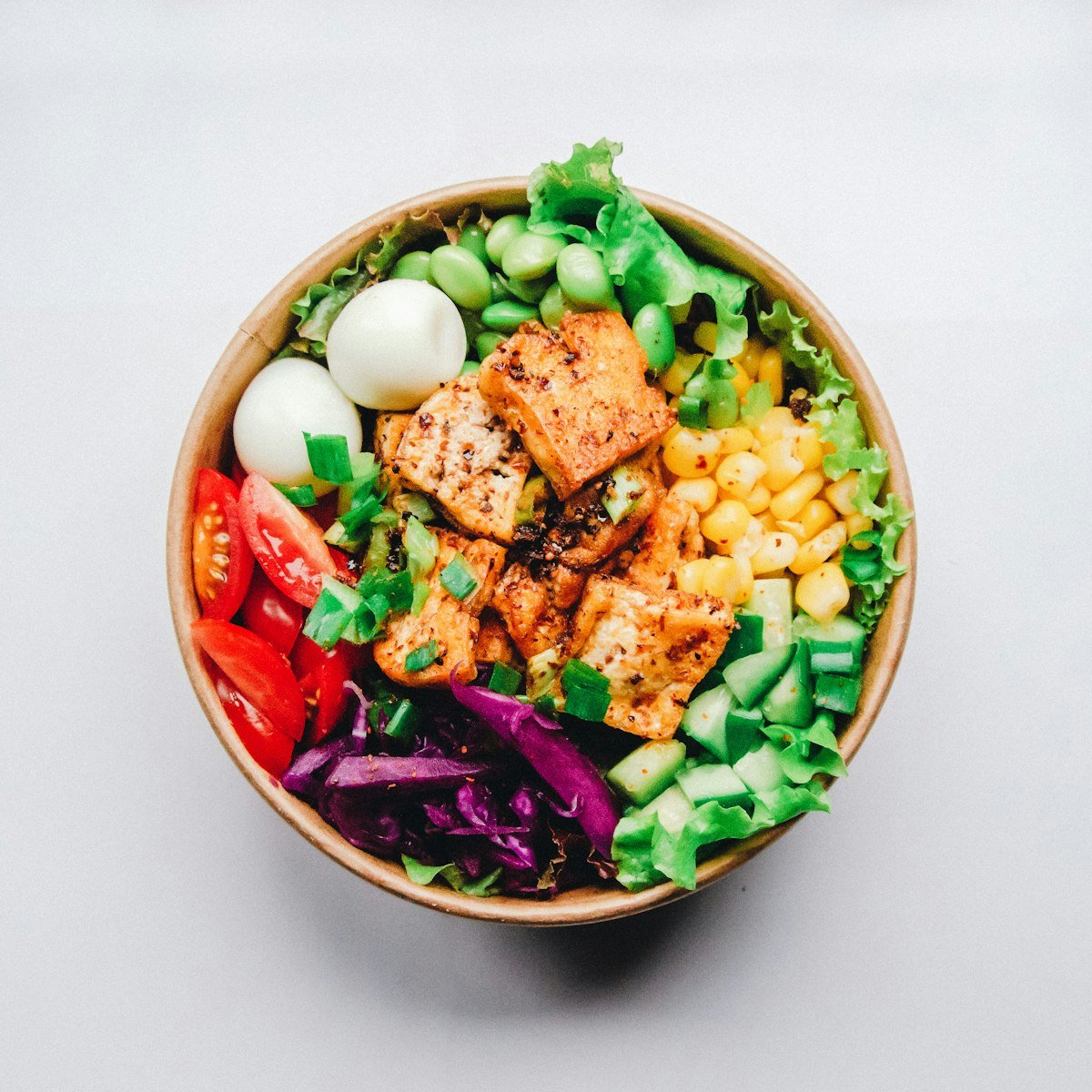
Eating clean for weight loss relies on high-density whole foods that stabilize blood sugar rather than expensive detox products or extreme juice cleanses. By shifting your daily intake away from hyper-palatable processed foods toward single-ingredient proteins, complex fibers, and healthy fats, your body naturally regulates appetite hormones and optimizes metabolic energy. This clean eating framework simplifies daily meal preparation while delivering steady, long-term fat loss.
Stop Dieting, Start Eating: The Real Secret to Losing Weight
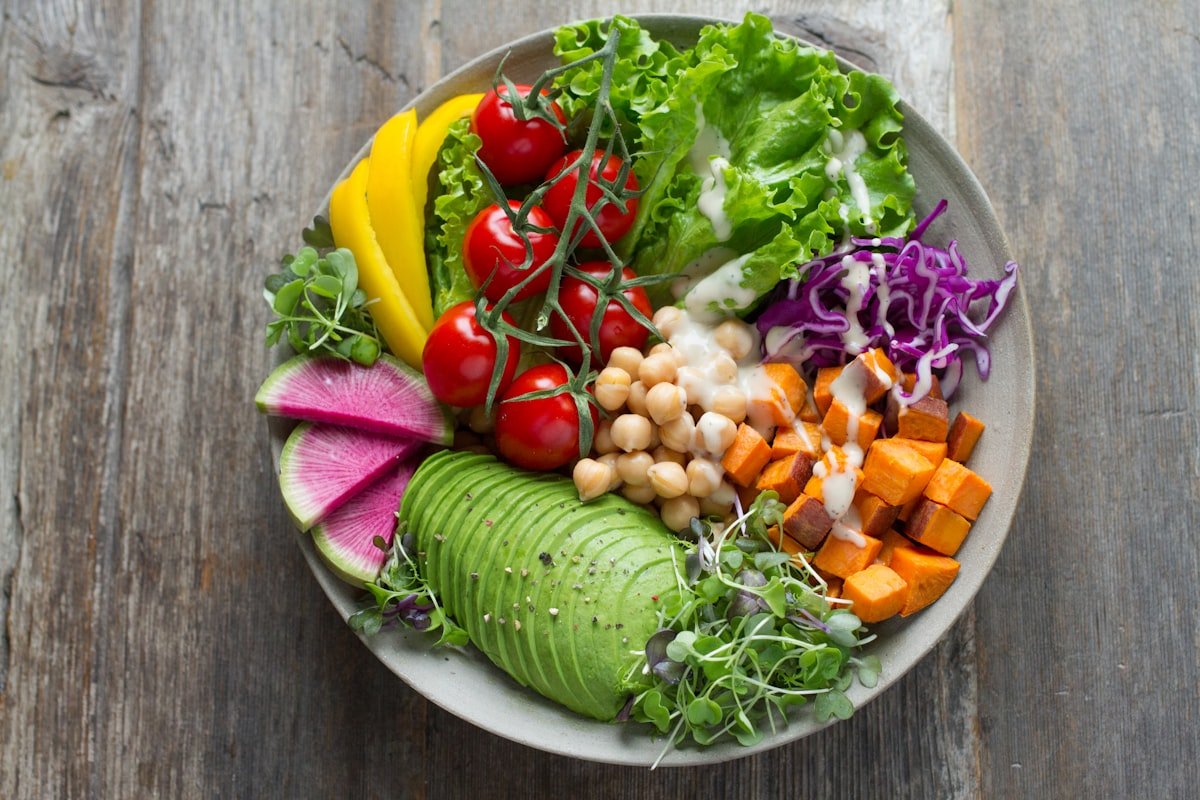
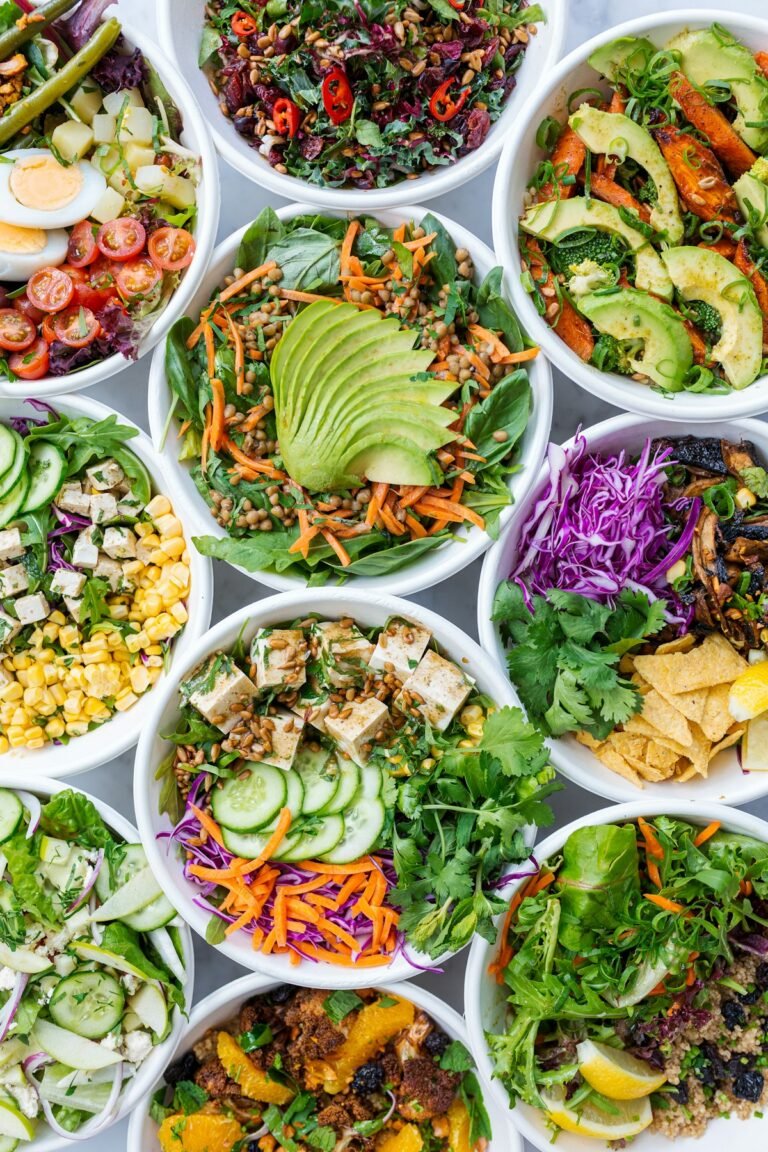
Picture this: you wake up on a Monday morning, open the fridge, and everything you need for a perfectly balanced, fat-burning breakfast is already prepped and waiting. No calorie-counting panic, no frantic Googling of “what should I eat,” no guilt-driven decision to skip the meal altogether. That feeling of calm control is exactly what a healthy meal plan for weight loss delivers, and it changes everything about the way your body sheds fat.A well-balanced meal plan combines high quality lean proteins, fiber-dense vegetables, and complex carbohydrates for sustained energy.
Most people fail at losing weight not because they lack willpower, but because they lack a plan. Every day brings hundreds of food decisions, and without a clear roadmap, even the most motivated person eventually reaches for convenience over quality. A structured meal plan for healthy eating and weight loss takes those hundreds of decisions and reduces them to one: follow the plan. The result is consistent nutrition, controlled portions, and a calorie deficit your metabolism can sustain for months rather than days. If you’re new to meal planning, our step-by-step guide to planning weekly meals walks you through the entire process.
💡 Key Takeaway: Planning vs. Willpower
According to research published in the American Journal of Clinical Nutrition, individuals who follow structured healthy meal plans for weight loss are 50% more likely to achieve long-term weight reduction than those relying solely on daily willpower. Planning removes decision fatigue and stabilizes metabolic rate.
This guide walks you through a complete, evidence-based, balanced meal plan for weight loss that you can customize to your calorie needs, food preferences, and lifestyle. Whether you are brand new to meal planning or looking to sharpen your approach, each section below offers practical, actionable strategies grounded in nutritional science.
The Science Behind Healthy Eating and Fat Loss
Your body loses fat when it consistently burns more calories than it consumes, a state known as a calorie deficit. However, the quality of those calories matters enormously. A diet built around processed foods may technically create a deficit, yet it often leads to muscle loss, hormonal disruption, and nutrient deficiencies that stall progress. A healthy meal plan for weight loss prioritizes foods high in fiber, protein, vitamins, and minerals, which collectively support thermogenesis, satiety, and the preservation of lean muscle. For those who want to maximize protein while cutting fat, a dedicated high-protein meal plan for weight loss can accelerate results.
Macronutrient Balance for Optimal Results
Every effective clean eating meal plan for weight loss balances three core macronutrients. Below is the ideal target distribution for a standard 1,600-calorie fat-loss plan:
Getting this balance right is what separates a truly balanced meal plan for weight loss from a random collection of low-calorie meals. When macronutrients are proportioned correctly, hunger hormones like ghrelin and leptin stay regulated, making it far easier to maintain your plan without constant cravings.
The Clean Eating Food Spectrum Guide
Understanding the levels of food processing is key to creating a clean-eating framework. Focus 80-90% of your daily nutrition on minimal and single-ingredient whole foods:
Processing Level
Examples
Impact on Satiety & Metabolism
Recommended Frequency
Group 1: Unprocessed / Minimally Processed
Fresh veggies, fruits, raw nuts, lean meat, eggs, oats, quinoa
High TEF, maximum gut satiety, zero blood sugar spikes
Daily Baseline (80-90%)
Group 2: Processed Culinary Ingredients
Extra virgin olive oil, sea salt, vinegar, natural spices
Adds nutrient absorption & palatability without toxic additives
Triggers overeating, disrupts gut lining, rapidly spikes glucose
Avoid or limit (< 10%)
Satiety Index Ranking of Whole Foods
The Satiety Index measures how full specific foods keep you per calorie over a two-hour period compared to white bread (baseline 100%):
Boiled / Roasted Potatoes (323% Satiety Score): The single highest-scoring whole food for appetite suppression due to resistance starch and water volume.
White Fish Fillets (225% Satiety Score): High protein density creates immediate gut distension and peptides release.
Oatmeal & Steel-Cut Oats (209% Satiety Score): Beta-glucan soluble fiber forms a gel matrix in stomach tissue, slowing digestion.
Apples & Oranges (202% Satiety Score): Pectin fiber and water volume curb snacking urge far better than fruit juices.
Anti-Inflammatory Spice & Herb Power-Ups
Clean eating isn’t just about calorie counts; it’s about reducing systemic inflammation that hinders metabolic function. Incorporate these evidence-backed herbs and spices into your daily meal prep:
Turmeric & Black Pepper: Curcumin in turmeric inhibits inflammatory pathways. Black pepper increases curcumin absorption by 2000%.
Ceylon Cinnamon: Helps regulate insulin sensitivity and slows glucose absorption in stomach tissue after carb-heavy meals.
Cayenne & Chili Pepper: Contains capsaicin, which slightly boosts body temperature and resting metabolic rate.
Clean Eating on a Budget: Master Shopping Checklist
Eating clean does not have to be expensive. For a complete budget-friendly framework, see our cheap weekly meal plan that keeps groceries under $50 a week.
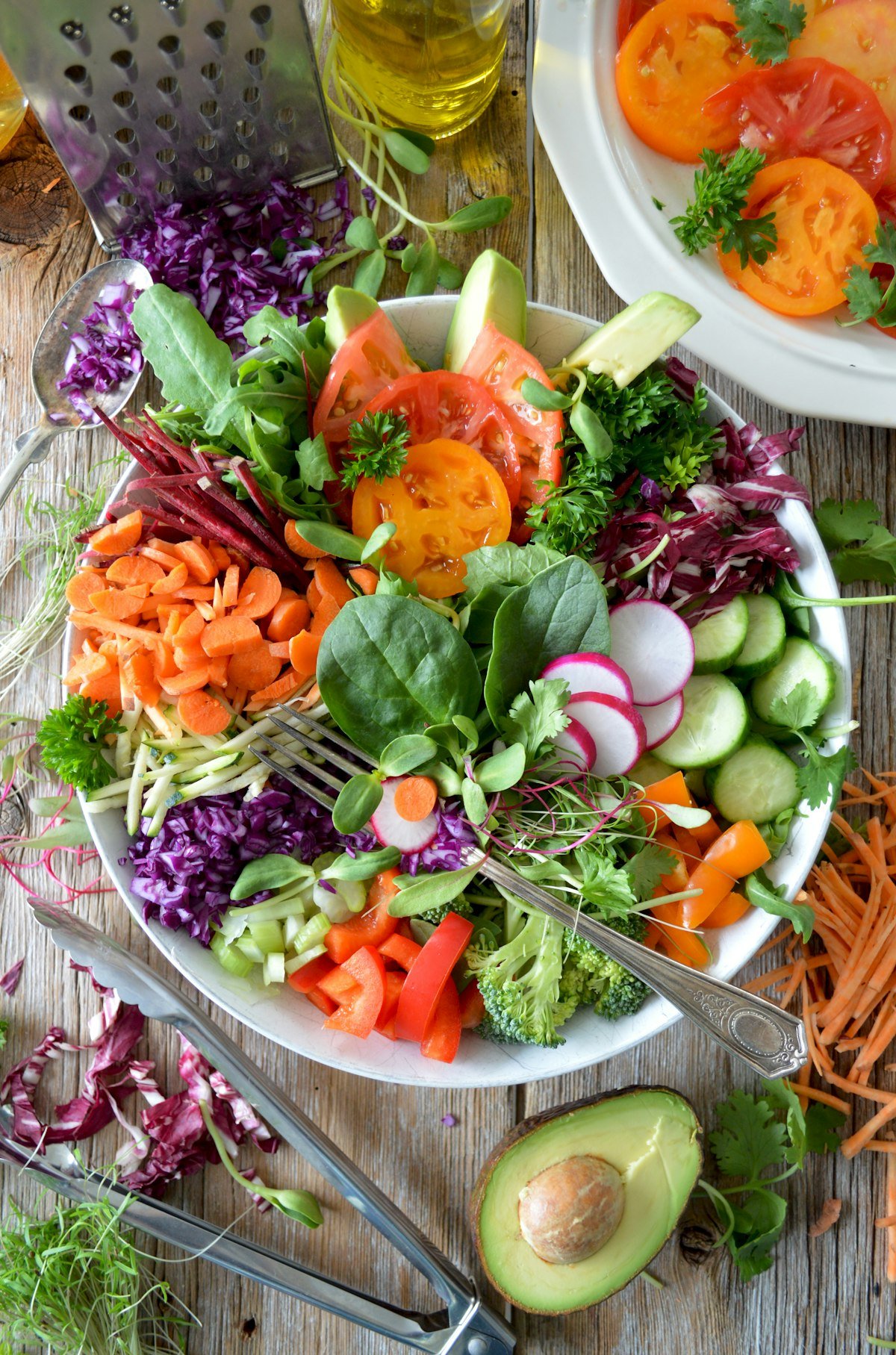
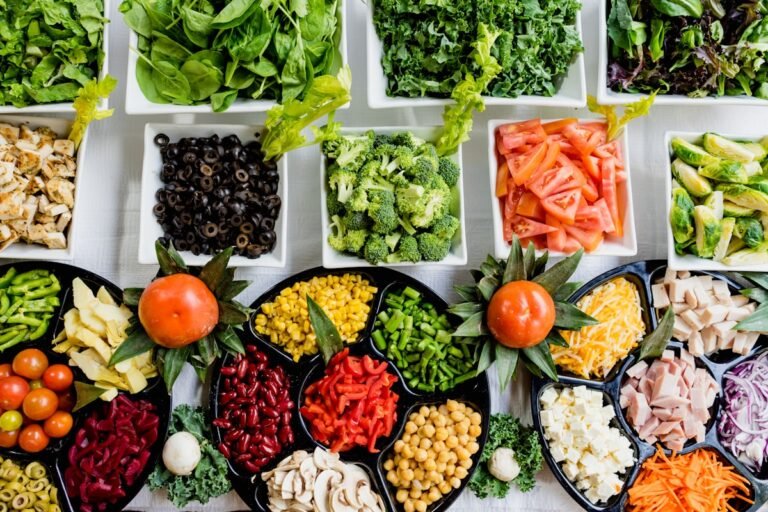
Recent research in nutritional gastroenterology highlights the profound role of the gut microbiome in weight regulation. Your gut houses trillions of bacteria that produce short-chain fatty acids (SCFAs) like acetate, propionate, and butyrate when digesting prebiotic fibers. These SCFAs stimulate GLP-1 secretion, improve insulin sensitivity, and reduce systemic inflammation. A clean eating plan rich in colorful vegetables, berries, legumes, and fermented foods (such as Greek yogurt and kefir) fosters a diverse microbiome optimized for fat loss.Whole, colorful plant ingredients supply prebiotic fiber that feeds beneficial gut bacteria and enhances metabolic efficiency.
How to Build Your Own Healthy Meal Plan for Weight Loss
Step 1: Calculate Your Calorie Target
Use the Mifflin-St Jeor equation to estimate your basal metabolic rate (BMR), then multiply by an activity factor to determine your total daily energy expenditure (TDEE). Subtract 300 to 500 calories from TDEE for a sustainable deficit. Most adults aiming for steady fat loss land between 1,400 and 2,000 calories per day, depending on sex, age, height, weight, and activity level.
Step 2: Structure Your Meals and Snacks
A practical meal plan for healthy eating and weight loss typically includes three main meals and one to two snacks. Here is a framework:
Breakfast (350–450 calories) – Combine protein, fiber, and healthy fat. Example: overnight oats made with rolled oats, chia seeds, almond milk, a scoop of protein powder, and mixed berries.
Lunch (400–500 calories) – Build around lean protein and vegetables. Example: grilled chicken salad with mixed greens, cherry tomatoes, cucumber, quinoa, avocado, and a lemon-tahini dressing.
Dinner (400–550 calories) – Focus on protein and fiber-rich vegetables with a moderate starch portion. Example: baked salmon with roasted sweet potato and steamed broccoli drizzled with extra-virgin olive oil.
Snacks (100–200 calories each) – Keep them protein-forward. Examples: a handful of almonds with an apple, celery sticks with hummus, or a small cup of cottage cheese with pineapple.
Step 3: Prep and Batch Cook
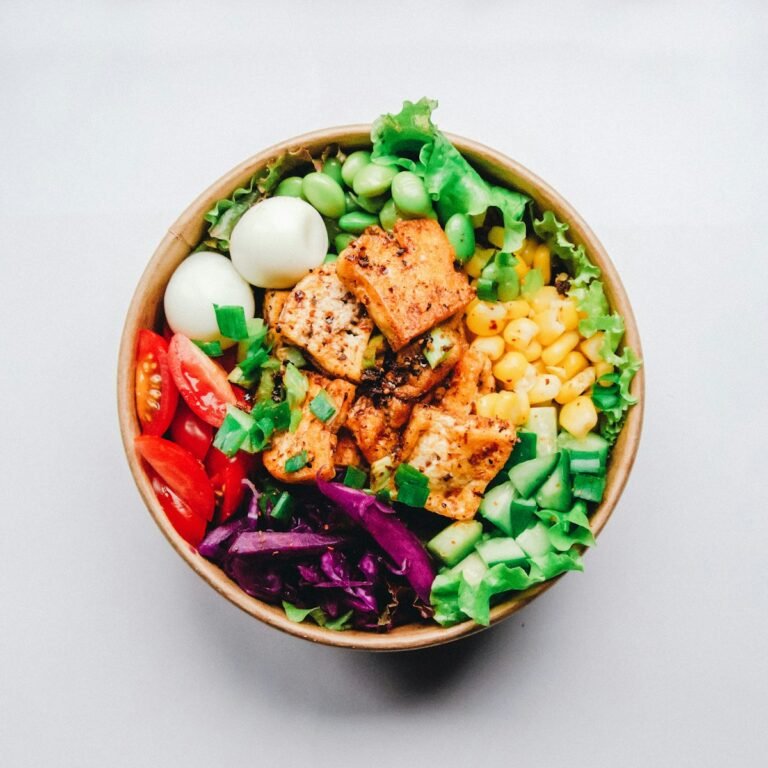
The biggest obstacle to following healthy meal plans for weight loss is time. Batch cooking on Sundays and Wednesdays solves this. Prepare large quantities of grains (brown rice, quinoa), proteins (grilled chicken, hard-boiled eggs, baked tofu), and chopped vegetables. Store them in glass containers for quick assembly throughout the week.Pre-portioning meals in glass containers prevents last-minute takeout decisions and maintains calorie control effortless.
7-Day Sample Healthy Meal Plan for Weight Loss
The following full-week breakdown targets approximately 1,600 calories per day with a balanced macronutrient profile. Adjust portions up or down based on your personal calorie target. For a dedicated weekly meal plan for weight loss, check out our complete week-by-week guide.
A clean eating meal plan for weight loss is built on a few non-negotiable principles that distinguish it from crash diets and processed “diet food” products:
Processed diet bars loaded with artificial sweeteners & fillers
Natural dietary fiber that regulates blood sugar levels
Refined carbs and hidden sugars causing rapid blood spikes
Healthy natural fats (olive oil, nuts) for hormone production
“Zero-fat” items filled with sodium and synthetic thickeners
Sustained energy and long-lasting metabolic satiety
Constant hunger pangs, energy crashes, and intense cravings
Hydration Rules for Maximum Fat Loss
Water plays a direct catalytic role in lipolysis (the breakdown of fat cells). Dehydration slows metabolic rate by up to 3% and is frequently mistaken for hunger. Follow these hydration guidelines alongside your meal plan:
Daily Water Goal: Drink at least 3 liters (100 oz) of water daily.
Pre-Meal Protocol: Drink 16 oz of water 30 minutes before each major meal to enhance satiety.
Electrolyte Balance: Add a pinch of unrefined sea salt or lemon juice to morning water to support cellular hydration.
Common Mistakes That Sabotage Healthy Meal Plans for Weight Loss
Even with the best intentions, certain pitfalls can undermine your progress. Being aware of them helps you stay on track:
Cutting Calories Too Aggressively – Eating fewer than 1,200 calories per day (for most adults) can slow your metabolism, trigger muscle loss, and lead to nutrient deficiencies. A moderate deficit of 300 to 500 calories is both effective and sustainable.
Skipping Meals – Skipping breakfast or lunch often leads to overeating later in the day. Consistent meal timing helps regulate blood sugar and hunger hormones.
Ignoring Fiber – Fiber promotes satiety, feeds beneficial gut bacteria, and slows the absorption of sugar into the bloodstream. Aim for 25 to 35 grams of fiber daily from vegetables, fruits, legumes, and whole grains.
Overlooking Liquid Calories – A single grande flavored latte can contain over 300 calories. Track beverages as carefully as solid food.
Being Too Rigid – Perfection is the enemy of consistency. Allow yourself flexibility for social occasions and occasional treats. An 80/20 approach, where 80 percent of your meals are strictly on plan and 20 percent allow for mindful indulgences, is a sustainable strategy endorsed by many registered dietitians.
How to Maintain Your Results Long-Term
The true measure of a successful healthy meal plan for weight loss is not just how much weight you lose but how long you keep it off. The National Weight Control Registry, which tracks over 10,000 individuals who have lost significant weight and maintained their loss, identifies several shared habits among successful maintainers. Women in particular should explore our weight loss meal plan for women tailored to female physiology and hormonal cycles.
🏆 Top 5 Maintenance Habits of Long-Term Successes
Daily Breakfast: 78% of long-term maintainers eat a protein-rich breakfast every day.
Regular Weigh-Ins: 75% weigh themselves at least once a week to stay accountable.
Consistent Physical Activity: 90% exercise, on average, about 1 hour per day.
Mindful TV & Screen Time: 62% watch fewer than 10 hours of TV per week.
Predictable Meal Routines: Maintaining consistent eating patterns on weekends as well as weekdays.
Frequently Asked Questions
What is the best healthy meal plan for weight loss for beginners?
Start with a simple approach: three balanced meals and one snack per day, each containing a palm-sized portion of lean protein, a fist-sized portion of complex carbohydrates, a thumb-sized portion of healthy fat, and two fists of non-starchy vegetables. This visual portion method eliminates the need for calorie counting while naturally creating a moderate deficit.
How quickly can I expect to lose weight on a clean eating meal plan?
A safe and sustainable rate of weight loss is 0.5 to 1 kilogram (1 to 2 pounds) per week. Initial losses may be higher due to water weight reduction, especially if you significantly reduce sodium and processed carbohydrate intake. Trust the process and focus on body composition changes rather than scale weight alone.
Do I need to buy organic produce for clean eating weight loss?
No. Conventional fruits and vegetables offer identical macronutrient and micronutrient profiles for fat loss. Focus on total whole-food volume first before worrying about organic labeling.
Are zero-calorie artificial sweeteners acceptable on a clean meal plan?
While zero-calorie sweeteners do not contain sugar, heavy consumption can alter gut microbial diversity and sustain cravings for sweet foods. Limit artificial sweeteners and choose natural stevia or monk fruit when needed.
Final Thoughts
A healthy meal plan for weight loss is not a temporary fix; it is a lifestyle framework that teaches you how to fuel your body intelligently. By prioritizing whole foods, balancing your macronutrients, and preparing meals in advance, you create an environment where fat loss happens naturally, without deprivation or burnout. The 7-day sample plan and strategies in this guide give you everything you need to start today. Adapt it to your tastes, listen to your body, and remember that consistency always beats perfection. For a complete overview of every diet style and calorie level, check our complete guide to meal plans for weight loss.
The ultimate high protein vegan meal plan for bodybuilders, athletes, and fitness enthusiasts. Learn complete plant protein pairing, 7-day menus, and grocery lists.
Discover the ultimate high protein vegetarian meal plan. Learn complete plant protein pairing, low carb & raw variations, 7-day menus, and master grocery lists.
Achieve sustainable fat loss with this 30-day meal plan for weight loss. Features high-protein, high-fiber weekly menus, shopping lists, and expert nutrition tips.
The ultimate 30-day carnivore diet meal plan guide. Learn how an all-meat elimination protocol resets digestion, accelerates fat loss, and boosts mental clarity with week-by-week menus and grocery lists.
Master how to plan weekly meals with this ultimate step-by-step guide. Features a 6-step framework, meal plan sheet template, theme night ideas, and prep hacks.