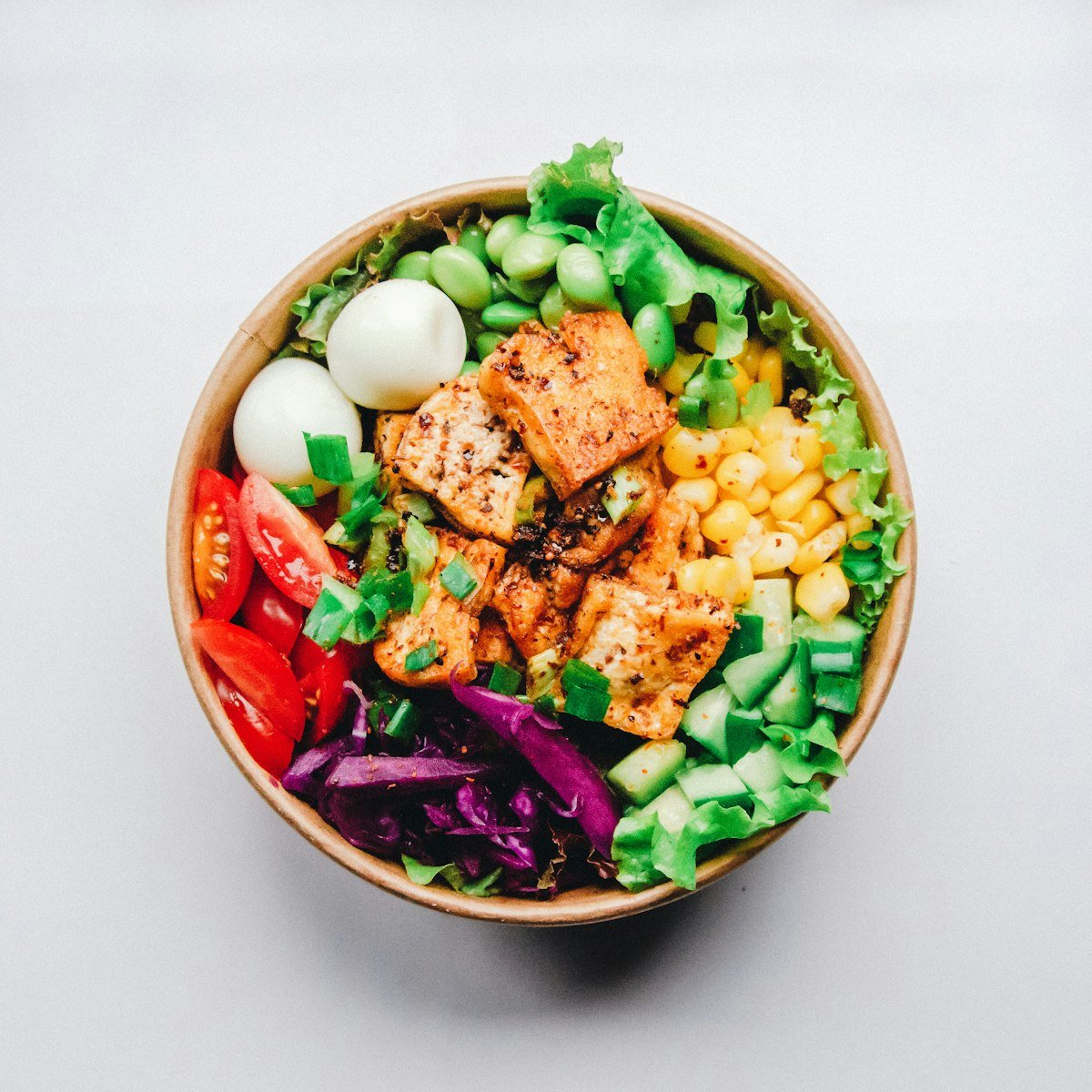
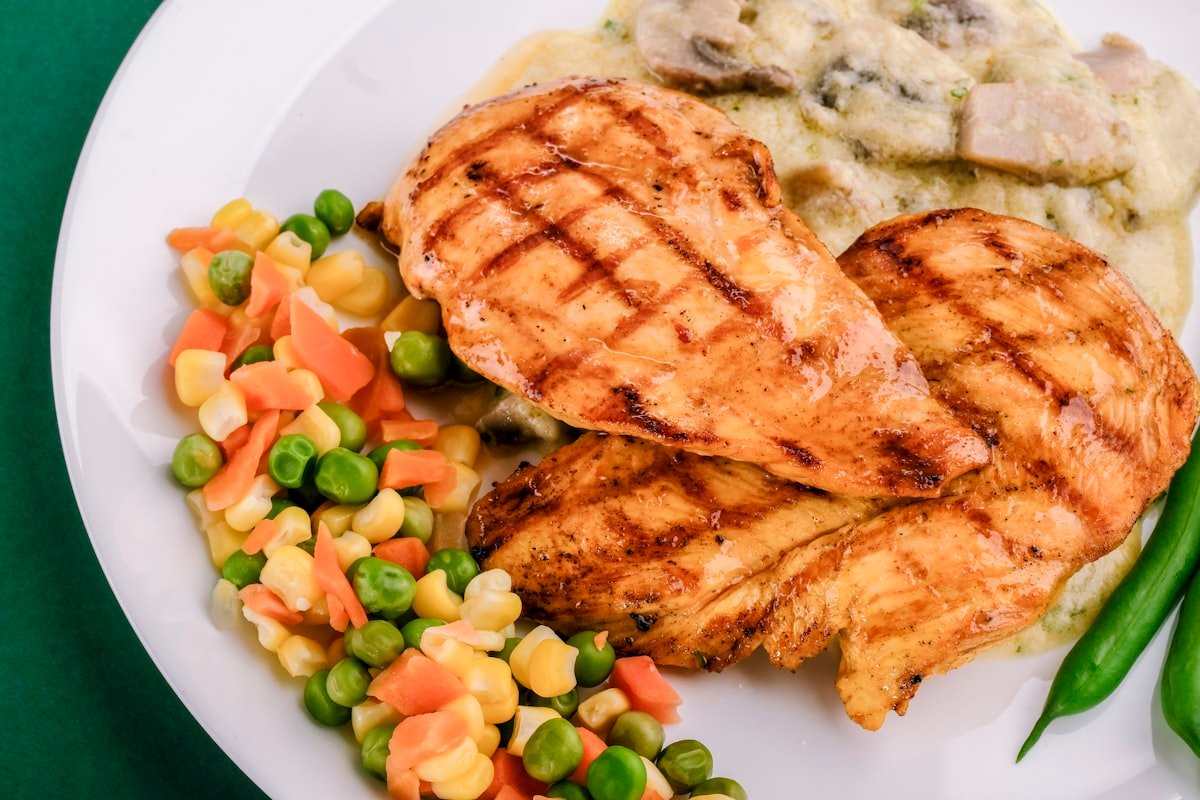
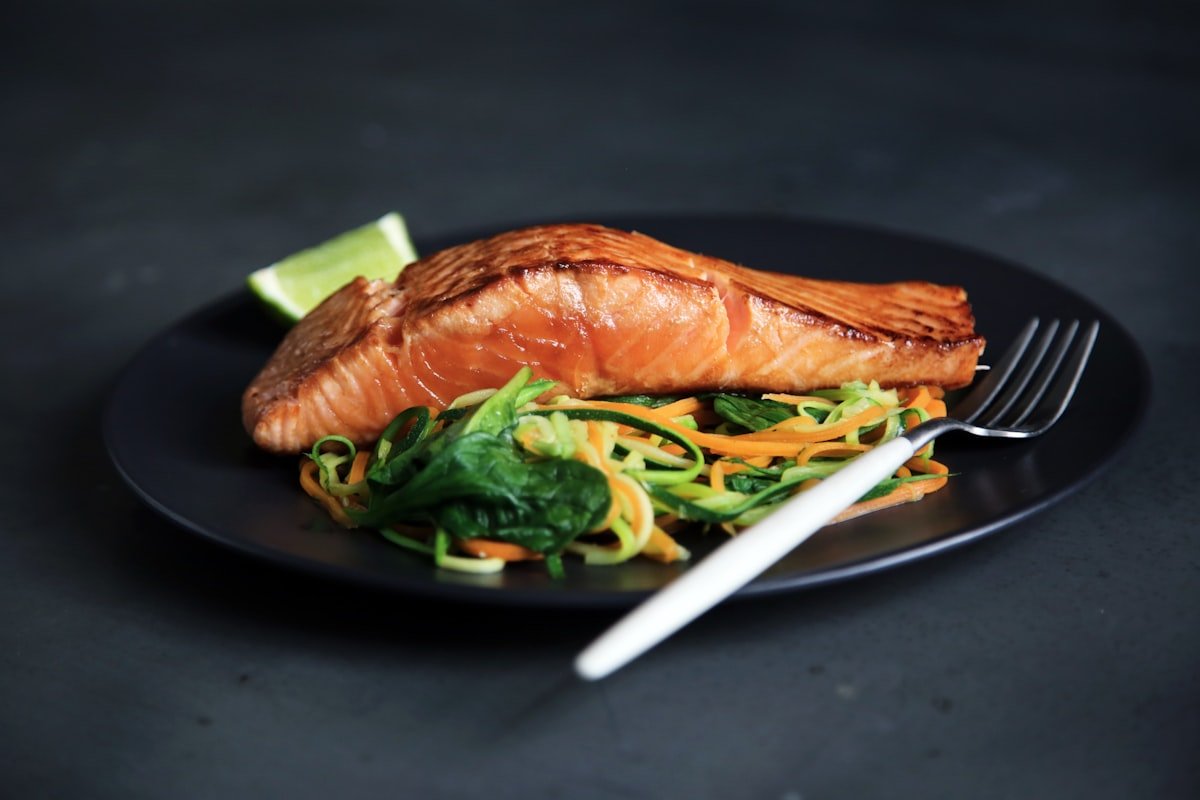
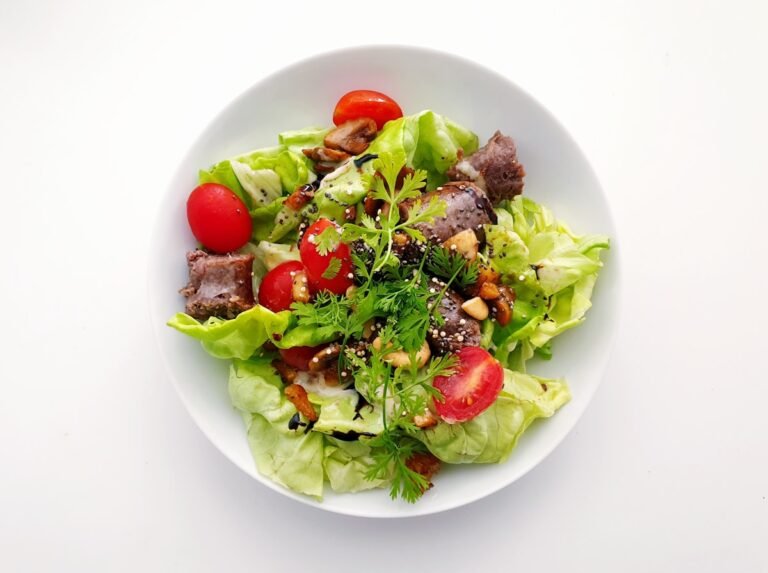
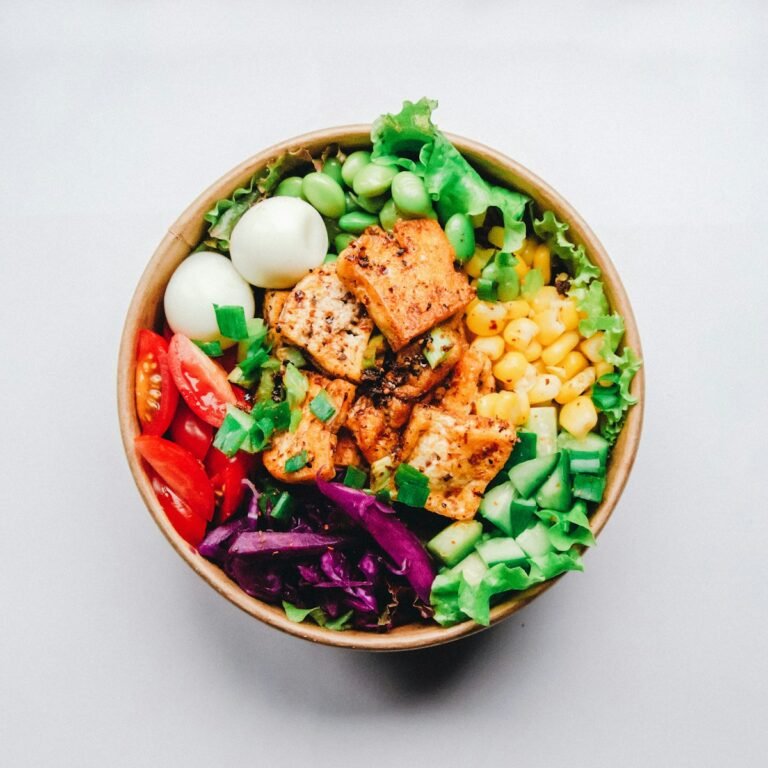
Achieving significant muscle hypertrophy while simultaneously oxidizing subcutaneous fat reserves requires a precise, structured nutritional approach. Rather than resorting to extreme bulking cycles that accumulate unnecessary body fat or severe cutting diets that sacrifice hard-earned lean muscle, following a science-backed 7-day meal plan for building muscle and fat loss allows you to achieve body recomposition predictably.High-protein meal prepping ensures consistent daily macronutrients for lean muscle growth and fat loss.
To optimize muscle protein synthesis (MPS) while encouraging steady fat oxidation, your diet must balance three vital components: adequate daily protein intake (1.8g to 2.2g per kilogram of bodyweight), a slight caloric deficit or maintenance energy balance (depending on your starting body fat percentage), and strategic nutrient timing around your resistance training sessions.
The Physiology of Body Recomposition
Body recomposition—building muscle while losing fat—is not only possible; it is the optimal protocol for natural athletes. Achieving this dual response relies on mastering three fundamental bio-energetic rules:
1. High Protein Distribution & Leucine Threshold
Consuming 30g to 40g of high-quality protein every 3 to 4 hours delivers approximately 3g of leucine per meal. Leucine is the primary branched-chain amino acid (BCAA) responsible for triggering the mTOR pathway, which signals your muscle cells to initiate repair and growth.
2. Nutrient Timing: Pre & Post-Workout Nutrition
Ingesting fast-digesting protein paired with complex carbohydrates 60 to 90 minutes before training ensures elevated muscle glycogen stores and steady blood glucose. Following your workout with a 30g to 40g fast-absorbing protein intake replenishes depleted glycogen and halts post-exercise muscle protein breakdown.
3. Caloric Density & Micronutrient Density
Prioritizing unrefined whole foods—such as lean poultry, wild-caught fish, egg whites, oats, sweet potatoes, and cruciferous vegetables—maximizes satiety and supplies essential micronutrients (Zinc, Magnesium, Iron, B-Vitamins) that support testosterone production and thyroid function.
Complete 7-Day Recomposition Meal Schedule
This 7-day schedule provides full daily nutrition (Breakfast, AM Snack, Lunch, PM Snack, and Dinner), averaging 2,200 to 2,400 calories daily with high protein, moderate carbohydrates, and healthy fats.
Day 1: Upper Body Hypertrophy Day
Breakfast: 4 Scrambled Eggs (2 whole, 2 whites) with 1 cup Sautéed Spinach, served over 1 cup Cooked Rolled Oats topped with 1/2 cup Fresh Blueberries.
Morning Snack: 1 scoop Whey Protein Isolate blended with 1 cup Unsweetened Almond Milk and 1 medium Banana.
Lunch: 200g Grilled Herb Chicken Breast, 1 cup Cooked Brown Rice, and 1.5 cups Steamed Garlic Broccoli drizzled with 1 tsp Extra Virgin Olive Oil.
Afternoon Snack: 1 cup 0% Plain Greek Yogurt topped with 15g Raw Almonds and a dash of Cinnamon.
Breakfast: Anabolic Protein Pancakes: 1/2 cup Oat Flour, 1 scoop Whey Protein, 3 Egg Whites, blended and cooked, topped with 1 tbsp Pure Maple Syrup and Fresh Strawberries.
Morning Snack: 1 cup Low-Fat Cottage Cheese paired with 1 medium sliced Apple.
Lunch: 200g Extra-Lean Ground Turkey (93/7) stir-fried with Bell Peppers, Onions, and 1 cup Cooked Quinoa.
Afternoon Snack: 2 Hard-Boiled Eggs with 1/2 sliced Avocado sprinkled with Sea Salt.
Dinner: 220g Sirloin Steak (lean cut), 1 medium Baked Russet Potato with 1 tbsp Light Sour Cream, and 2 cups Sautéed Green Beans.
Maximizing the taste and efficiency of your weekly meal plan requires smart kitchen techniques. Here are 3 practical habits to streamline your daily prep:
1. Master Safe Batch Storage
Store prepped meals in airtight glass food containers rather than plastic to prevent moisture buildup and preserve food texture. Keep cooked grains and proteins fresh for up to 4 days in the refrigerator, or freeze individual portions for up to 3 weeks.
2. Elevate Flavor Without Adding Extra Calories
Use zero-calorie seasonings such as smoked paprika, garlic powder, onion flakes, cayenne pepper, fresh lemon zest, apple cider vinegar, and fresh herbs (basil, cilantro, parsley) to intensify flavor profiles without introducing unwanted fats or sodium.
3. Adjust Portions for Daily Activity Levels
On high-intensity workout days, scale up complex carbohydrates or lean protein portions by 15% to 20% to support muscle recovery. On rest days, keep portion sizes at baseline to maintain steady fat loss.
Frequently Asked Questions (FAQs)
1. How long should I stay on this recomposition meal plan?
Follow this 7-day meal plan for 8 to 12 weeks while tracking your body weight, waist circumference measurements, and gym performance. Adjust daily caloric intake by 100 to 150 calories up or down depending on your rate of progress.
2. Can I substitute protein sources if I have food allergies?
Yes. You can swap chicken breast for turkey, salmon for trout or white fish, or egg whites for plant-based pea/rice protein blends, provided you match the macronutrient totals.
3. Do I need to take supplements on this meal plan?
While whole foods supply the vast majority of your nutrition, supplementing with 5g of Creatine Monohydrate daily, high-quality Omega-3 fish oil, and Whey Protein Isolate will further enhance recovery and muscle fullness.
Conclusion
Executing a structured high-protein diet is the foundation of successful muscle building and fat loss. By maintaining consistency with your macronutrients and training, you will achieve lasting body recomposition results.
Master nutritional ketosis with this 7-day keto diet weekly meal plan. Capped under 20g net carbs daily, featuring high-fat recipes, macros, and grocery list.
Simplify weeknight family dinners with our 7 day meal plan for family. Budget-friendly, kid-approved recipes with daily schedules and a master grocery list.
Nourish your body with this complete 7-day vegetarian diet meal plan. Features balanced whole-food weekly menus, essential nutrient guides, and shopping lists.
Discover the ultimate high protein vegetarian meal plan. Learn complete plant protein pairing, low carb & raw variations, 7-day menus, and master grocery lists.