High Protein Meal Plan for Weight Loss: Build Muscle, Burn Fat, and Stay Full
Dietary protein boasts the highest thermic effect of any macronutrient, turning digestion itself into an active fat-burning process. While carbohydrates and fats readily convert to stored tissue when overconsumed, high-protein intake elevates metabolic thermogenesis, preserves lean muscle during caloric deficits, and keeps satiety hormones elevated for hours. Prioritizing protein is the most physiologically efficient method to transform body composition.
The One Nutrient That Burns More Calories Just by Eating It
Here is a number that should stop every dieter in their tracks: your body burns 20 to 30 percent of every protein calorie simply digesting it. Compare that to 5 to 10 percent for carbohydrates and a mere 0 to 3 percent for fats, and you start to understand why a high protein meal plan for weight loss gives you a metabolic edge that no other dietary strategy can match. In practical terms, if you eat 600 calories of protein in a day, your body spends 120 to 180 of those calories on digestion alone. That is free calorie burning, no treadmill required.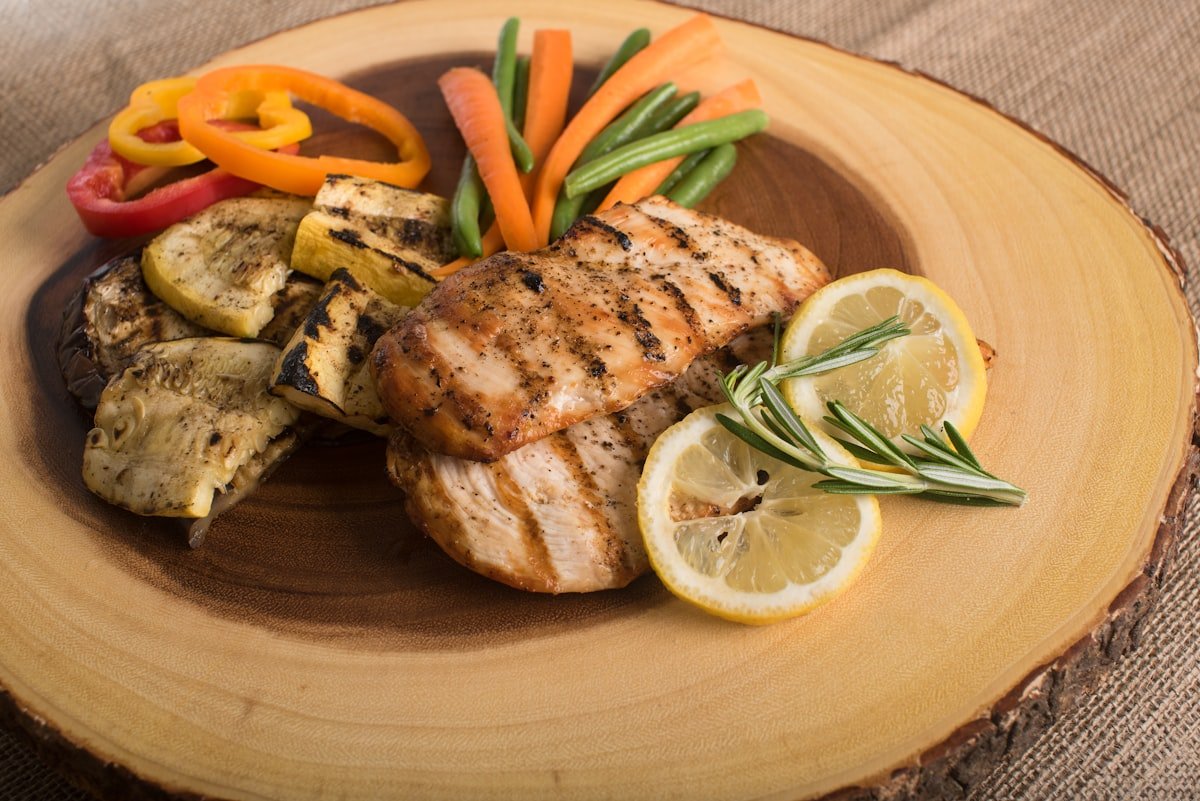
🔥 Thermic Effect of Food (TEF) Comparison
Percentage of ingested calories burned during digestion:
How Much Protein Do You Actually Need for Weight Loss?
The recommended dietary allowance (RDA) of 0.8 grams of protein per kilogram of body weight was established to prevent deficiency, not to optimize body composition. For individuals focused on fat loss while preserving muscle, the evidence points to significantly higher intakes. Men looking for a testosterone-friendly cut with maximized protein should check out our meal plan for weight loss for men.Evidence-Based Protein Target Calculator
Use the target lookup table below to quickly find your ideal daily protein intake based on body weight and activity levels:| Body Weight (lbs / kg) | Moderate Fat Loss Target (1.4 g/kg) | Optimal Muscle Retention (1.8 g/kg) | Athletic & Lifting Target (2.2 g/kg) |
|---|---|---|---|
| 130 lbs / 59 kg | 83 grams / day | 106 grams / day | 130 grams / day |
| 150 lbs / 68 kg | 95 grams / day | 122 grams / day | 150 grams / day |
| 170 lbs / 77 kg | 108 grams / day | 139 grams / day | 170 grams / day |
| 190 lbs / 86 kg | 120 grams / day | 155 grams / day | 190 grams / day |
| 210 lbs / 95 kg | 133 grams / day | 210 grams / day | 210 grams / day |
Protein Quality & Biological Value (BV) Matrix
Protein quality is determined by its essential amino acid profile and digestibility score (PDCAAS). Higher Biological Value proteins are absorbed more efficiently for cellular repair:| Protein Source | Biological Value (BV) Score | PDCAAS Score | Digestion Speed & Best Use |
|---|---|---|---|
| Whey Protein Isolate | 104 (Highest) | 1.00 | Rapid (30-60 mins); Ideal post-workout |
| Whole Eggs | 100 | 1.00 | Moderate (2-3 hrs); Gold standard whole food |
| Chicken / Turkey Breast | 79 | 0.92 | Moderate (3-4 hrs); Lean meal staple |
| Pea & Rice Blend | 74 | 1.00 | Moderate (2-3 hrs); Top plant-based option |
Protein Pacing: Maximizing Muscle Protein Synthesis (MPS)
Eating 120g of protein in one meal vs. spreading it across 4 equal servings of 30g produces dramatically different physiological results. Muscle Protein Synthesis (MPS) operates on a threshold system. Spreading your protein intake every 3–5 hours ensures continuous availability of amino acids, minimizing muscle catabolism during severe energy deficits.⚡ The 30/30/30 Meal Rule
Aim for a minimum of 30g of protein within 30 minutes of waking up, followed by meals containing 30g+ of protein spaced 3 to 4 hours apart throughout the rest of the day.
The Leucine Threshold and Amino Acid Quality
Not all proteins trigger muscle protein synthesis equally. Leucine, an essential branched-chain amino acid (BCAA), acts as the primary molecular trigger for muscle repair (mTOR activation). To reach the “leucine threshold,” a meal should contain 2.5-3.0 grams of leucine. Animal proteins like chicken, beef, salmon, whey, and eggs naturally deliver high leucine per serving, while plant proteins (such as soy, lentils, and peas) require slightly larger portions or strategic food combinations to hit the same threshold. For a plant-based approach that still meets high protein targets, see our high-protein vegetarian meal plan.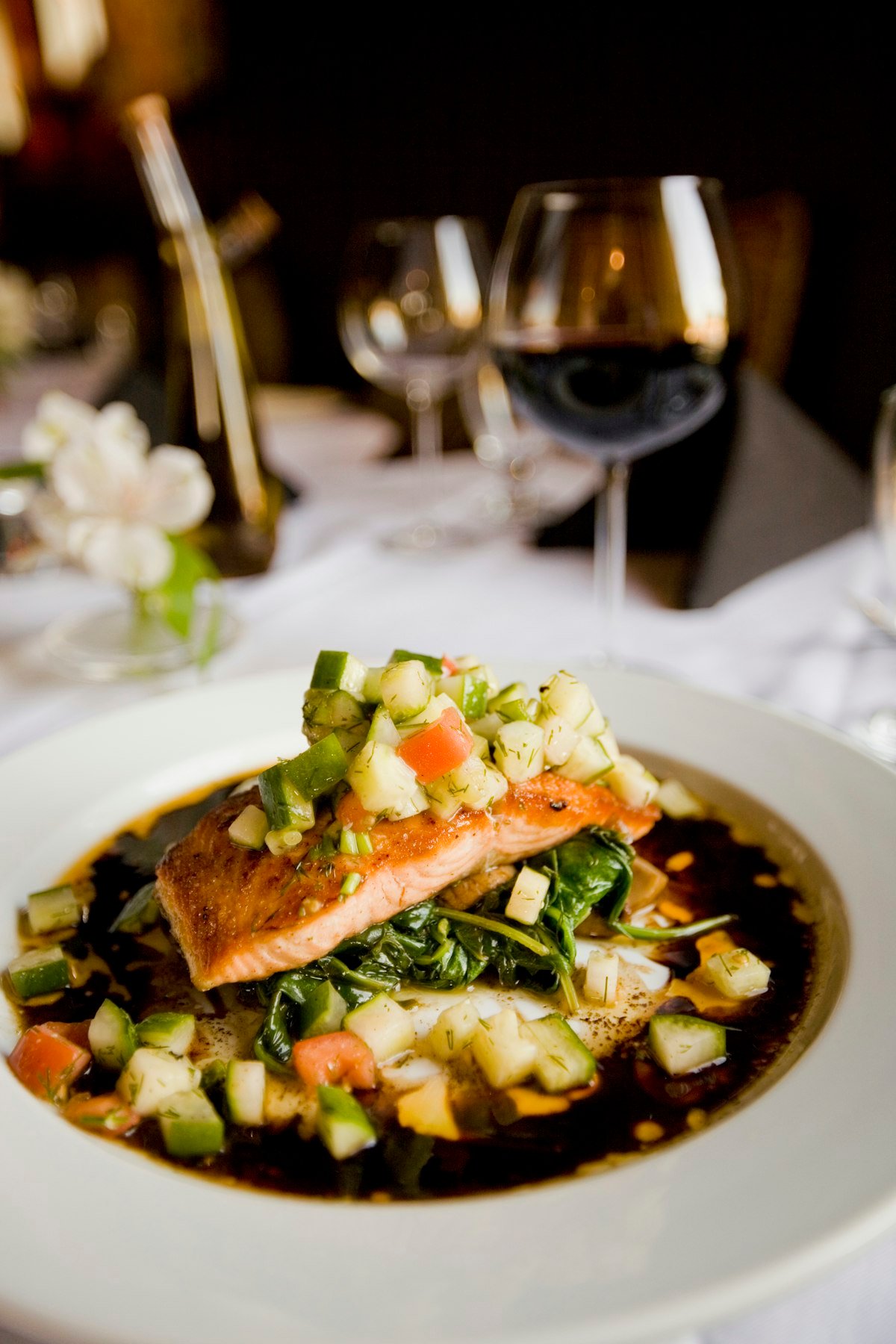
The Top Protein Sources for Your Meal Plan
Below is a ranking of top protein choices based on protein density per calorie:| Food Source | Serving Size | Protein (g) | Calories | Protein Ratio (% Calories) |
|---|---|---|---|---|
| Shrimp (Cooked) | 100g (3.5 oz) | 24g | 99 kcal | 97% Protein |
| Chicken Breast (Skinless) | 100g (3.5 oz) | 31g | 165 kcal | 75% Protein |
| Plain Non-Fat Greek Yogurt | 170g (6 oz) | 17g | 100 kcal | 68% Protein |
| Wild-Caught Salmon | 100g (3.5 oz) | 25g | 206 kcal | 49% Protein |
| Extra-Firm Tofu | 100g (3.5 oz) | 10g | 83 kcal | 48% Protein |
| Cooked Green Lentils | 100g (½ cup) | 9g | 116 kcal | 31% Protein |
Managing Digestive Wellness on a High-Protein Diet
Increasing daily protein without adjusting fiber and water can lead to sluggish digestion and bloating. Maintain gut health with these daily rules:- Pair Protein with Soluble & Insoluble Fiber: Ensure every meat or dairy meal includes greens, chia seeds, flaxseeds, or cruciferous veggies. Aim for 30g+ fiber daily.
- Stay Diligently Hydrated: Protein breakdown creates urea, which is processed by the kidneys and excreted in urine. Drink at least 3.5 liters of water daily.
- Incorporate Digestive Enzymes & Fermented Foods: Eat kimchi, sauerkraut, kefir, or papaya/pineapple containing natural proteolytic enzymes (bromelain, papain).
7-Day High Protein Meal Plan for Weight Loss
This sample plan provides approximately 1,700 calories and 140-160 grams of protein per day. Adjust portions to match your individual calorie and protein targets. If you prefer combining high protein with low-carb eating, our 7-day high-protein low-carb meal plan offers a keto-friendly alternative.| Day | Breakfast | Lunch | Dinner | Daily Protein |
|---|---|---|---|---|
| Mon | 3-Egg spinach omelet + mozzarella (~25g) | 6oz Grilled chicken salad + quinoa (~45g) | 5oz Pan-seared salmon + asparagus (~35g) | ~141g Protein |
| Tue | Whey protein berry smoothie (~30g) | 5oz Turkey lettuce wraps + avocado (~38g) | 5oz Lean beef stir-fry + cauliflower rice (~38g) | ~143g Protein |
| Wed | Overnight protein oats with whey (~28g) | Shrimp & black bean burrito bowl (~35g) | 6oz Baked chicken thighs + Brussels sprouts (~42g) | ~142g Protein |
| Thu | 4 Egg white scramble + Canadian bacon (~28g) | Tuna Greek yogurt salad in pita (~35g) | 5oz Sirloin steak + mashed cauliflower (~40g) | ~144g Protein |
| Fri | Cottage cheese oat pancakes (~25g) | Grilled chicken Caesar wrap (~40g) | 6oz Baked cod + tapenade & farro (~38g) | ~148g Protein |
| Sat | Smoked salmon toast + capers (~22g) | Chickpea & chicken salad with feta (~40g) | 5oz Turkey meatballs over zoodles (~38g) | ~148g Protein |
| Sun | Egg & veggie breakfast muffins (~24g) | Lentil & chicken soup (~35g) | 4oz Grilled lamb chop + roasted veggies (~32g) | ~132g Protein |
How Protein Affects Hunger Hormones and Satiety
One of the most compelling reasons to follow a high-protein diet as part of a weight-loss meal plan is its powerful effect on appetite regulation. Protein influences several key hormones:🔻 Ghrelin (Hunger)
Suppresses the primary hunger signal sent to the brain, preventing appetite spikes between meals.
🔺 Peptide YY (Satiety)
Stimulates gut fullness signals, letting your brain know you have consumed adequate nutrition.
🔺 GLP-1 (Digestion)
Slows gastric emptying down so food digests steadily, extending feelings of post-meal fullness.
High-Protein Snack Hacks (Under 150 Calories)
Keep these quick high-protein snack options ready to curb mid-day hunger without overshooting your daily calorie budget:- Edamame with Sea Salt: ½ cup shelled edamame = 9g protein (100 kcal).
- String Cheese & Egg: 1 hard-boiled egg + 1 light mozzarella stick = 13g protein (140 kcal).
- Cottage Cheese & Cinnamon: ½ cup low-fat cottage cheese = 14g protein (90 kcal).
- Turkey Jerky: 1.5 oz turkey jerky = 15g protein (110 kcal).
Frequently Asked Questions
Is a high-protein diet safe for kidney health?
For individuals with healthy kidneys, there is no credible evidence that high protein intakes (up to 2.2 g/kg/day) cause kidney damage. A 2018 meta-analysis in The Journal of Nutrition confirmed that higher protein diets do not adversely affect kidney function in healthy adults.Will too much protein turn into fat?
Any macronutrient consumed in excess of calorie needs can contribute to fat storage. However, protein is the least likely macronutrient to be stored as fat due to its high thermic effect and its preferential use for muscle repair.Which is better for high-protein meal prep: Whey or Casein protein?
Whey protein hydrolysate or isolate is rapidly absorbed, making it ideal immediately after workouts. Casein protein digests very slowly over 6 to 8 hours, making it excellent for bedtime snacks or overnight pudding recipes to prevent nighttime muscle breakdown.Can plant-based protein powders support muscle preservation during a deficit?
Yes. Multi-source plant protein powders (combining pea, brown rice, and hemp) deliver a complete amino acid profile and sufficient leucine to match whey protein in supporting muscle protein synthesis.Final Thoughts
A high-protein meal plan for weight loss is one of the most evidence-backed strategies for losing fat while maintaining muscle mass, controlling hunger, and boosting metabolic rate. By structuring your meals around high-quality protein sources and distributing your intake evenly throughout the day, you create a dietary environment in which fat loss becomes almost effortless. For a broader look at all weight loss diet styles and calorie levels, explore our complete guide to meal plans for weight loss.Explore More Meal Plans
- Explore every diet style and calorie level in our complete guide to meal plans for weight loss.
- Ready to build lean muscle while keeping protein high? Try our high-protein meal plan for muscle gain.
- Combining high protein with low carbs? Our 7-day high-protein low-carb meal plan is built for fat loss.
- For a clean-eating focus, check out our healthy meal plan for weight loss centered on whole foods.