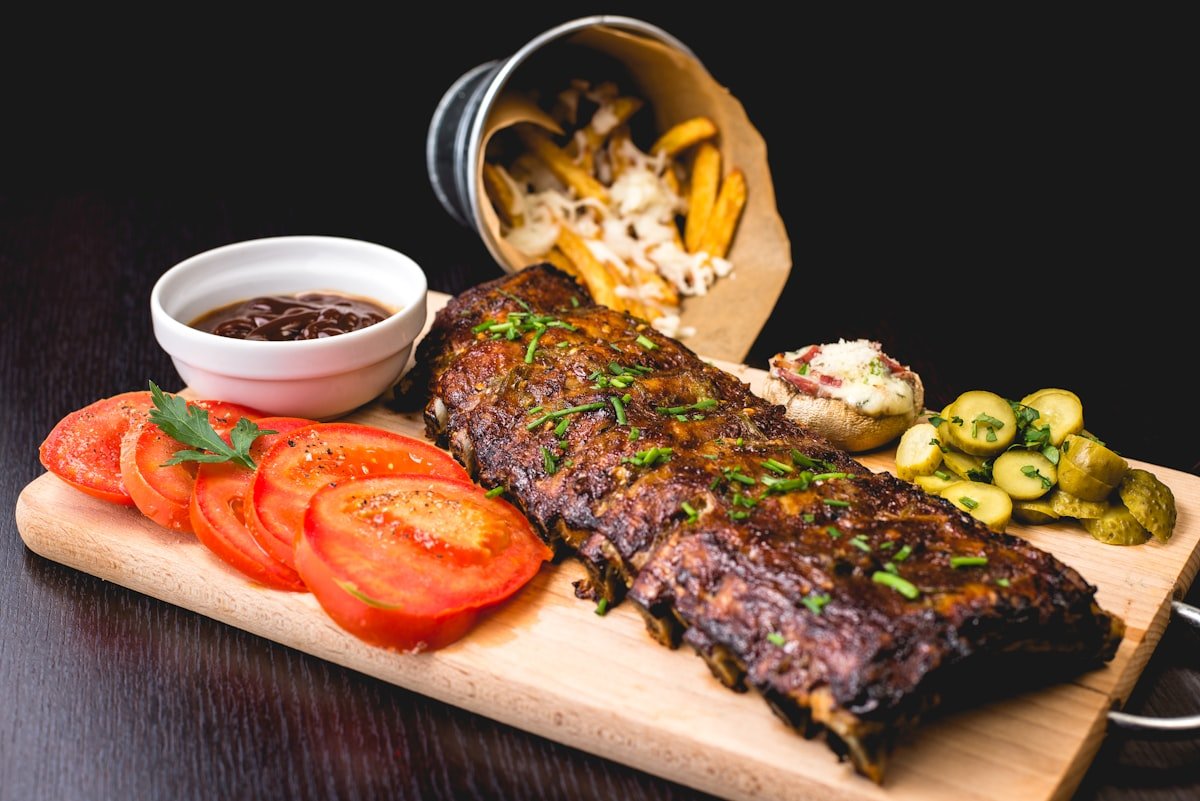
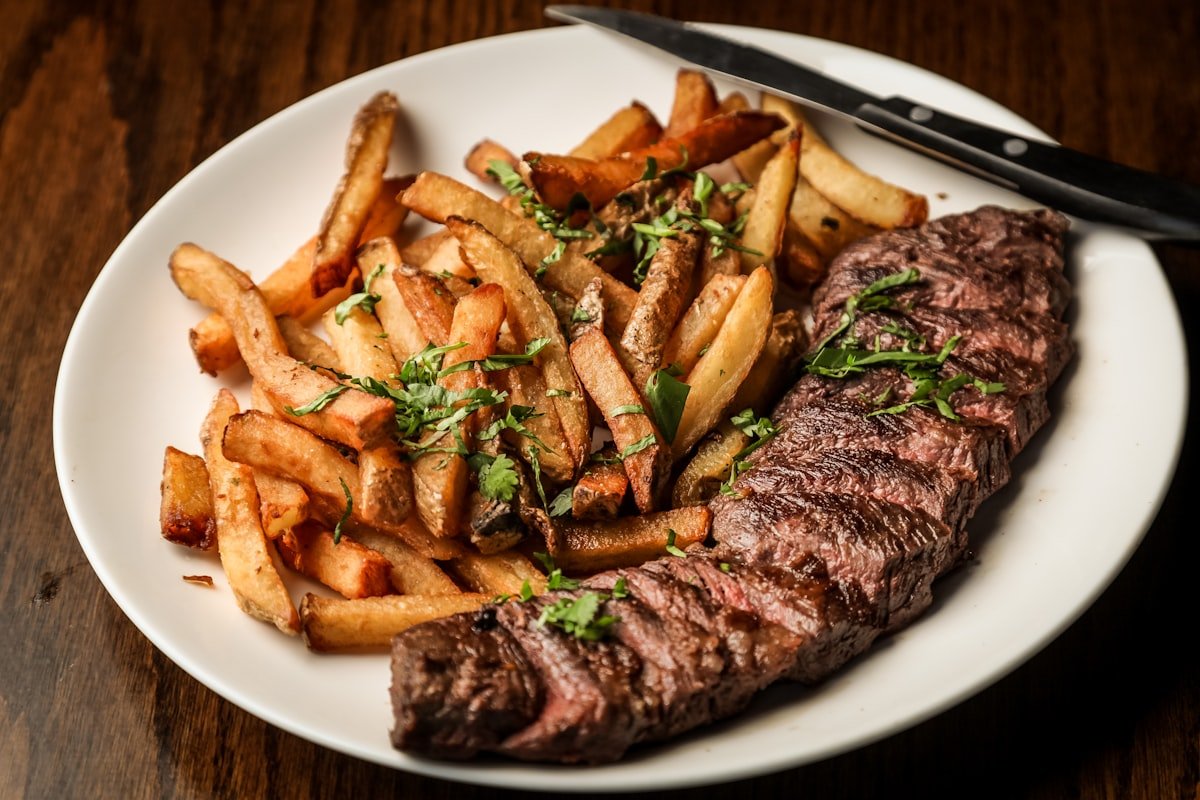
Transitioning to an all-meat elimination protocol can feel overwhelming for beginners accustomed to high-carbohydrate diets. Following a carnivore diet meal plan for beginners provides a step-by-step roadmap to eliminate chronic digestive bloat, reset insulin sensitivity, and achieve rapid fat loss while avoiding common adaptation pitfalls like fatigue and electrolyte imbalances.Seared grass-fed steaks, bacon, and buttered eggs provide optimal bioavailable nutrients for carnivore beginners.
By focusing on nutrient-dense fatty meats, wild seafood, eggs, and essential minerals, this beginner guide simplifies your first 7 days on the carnivore diet.
The 3 Pillars of Carnivore Beginner Success
Mastering your first week on the carnivore diet comes down to three basic rules:
1. Eat Fatty Cuts of Meat to Appetite
Do not restrict calories during your first week. Consume fatty ribeye steaks, 80/20 ground beef, pork chops, and eggs until comfortably full to prevent sugar cravings.
2. Salt Food Generously & Replenish Electrolytes
As insulin drops, your kidneys excrete excess water and sodium. Salt your meats liberally with unrefined sea salt and drink 2 cups of salted bone broth daily.
3. Strict Plant Elimination
Remove all grains, sugars, fruits, vegetables, vegetable oils, and plant seasonings. Your diet consists exclusively of meat, seafood, eggs, butter, and water.
Complete 7-Day Carnivore Beginner Menu Schedule
This 7-day starter schedule provides full daily nutrition (Breakfast, AM Snack, Lunch, PM Snack, and Dinner), averaging 2,100 to 2,300 calories daily with zero carbs.
Unrefined Sea Salt (Redmond or Himalayan), Beef Bone Broth
1 Tub Sea Salt, 7 Cartons Beef Bone Broth
Pro Meal Prep & Flavor Enhancement Strategies
Maximizing the taste and efficiency of your weekly meal plan requires smart kitchen techniques. Here are 3 practical habits to streamline your daily prep:
1. Master Safe Batch Storage
Store prepped meals in airtight glass food containers rather than plastic to prevent moisture buildup and preserve food texture. Keep cooked grains and proteins fresh for up to 4 days in the refrigerator, or freeze individual portions for up to 3 weeks.
2. Elevate Flavor Without Adding Extra Calories
Use zero-calorie seasonings such as smoked paprika, garlic powder, onion flakes, cayenne pepper, fresh lemon zest, apple cider vinegar, and fresh herbs (basil, cilantro, parsley) to intensify flavor profiles without introducing unwanted fats or sodium.
3. Adjust Portions for Daily Activity Levels
On high-intensity workout days, scale up complex carbohydrates or lean protein portions by 15% to 20% to support muscle recovery. On rest days, keep portion sizes at baseline to maintain steady fat loss.
Frequently Asked Questions (FAQs)
1. What is the “Carnivore Flu” and how do I prevent it?
As your body transitions from burning glucose to fat, temporary headache or fatigue can occur. Drink 2 cups of salted bone broth daily and salt your steaks generously to stay balanced.
2. How much meat should I eat per day as a beginner?
Most beginners thrive eating 1.5 to 2.5 pounds of fatty meat per day. Eat until comfortably full without counting calories during week 1.
3. Can I use black pepper and spices on carnivore?
Strict carnivore excludes plant spices. However, many beginners start with black pepper, garlic salt, and unrefined sea salt during their transition.
Conclusion
Following a carnivore diet meal plan for beginners is a simple, effective way to eliminate digestive bloat and burn fat. Salt your food, eat fatty meats, and enjoy your transformation!
Master plant-based ketosis with this vegan keto diet meal plan. Features net carb math, high-fat plant foods, 7-day menus, and low-carb plant grocery lists.
Master hypertrophy nutrition with our high protein meal plan for muscle gain. Includes a complete 7-day meal plan, leucine threshold science, and post-workout timing.
Simplify your evenings with this 7-day weekly dinner meal plan. Features quick 30-minute weeknight recipes, sheet pan meals, 1-skillet dishes, and grocery list.
Master nutritional ketosis with this 7-day keto diet weekly meal plan. Capped under 20g net carbs daily, featuring high-fat recipes, macros, and grocery list.
Master low-carb fat loss with this keto diet meal plan for beginners. Learn net carb math, electrolyte secrets, 7-day starter menus, and easy low-carb grocery lists.
Simplify your family’s dinners with this stress-free weekly meal plan. Includes kid-friendly 7-day schedule, recipes, hidden-veggie hacks, and shopping list for 4.