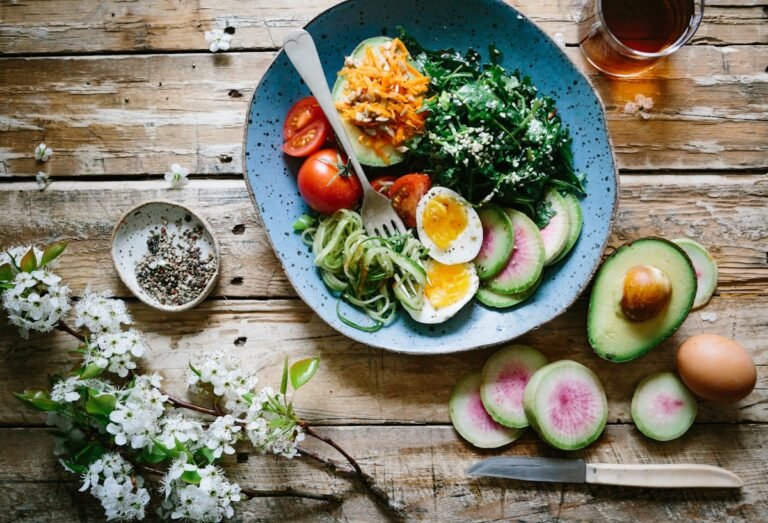
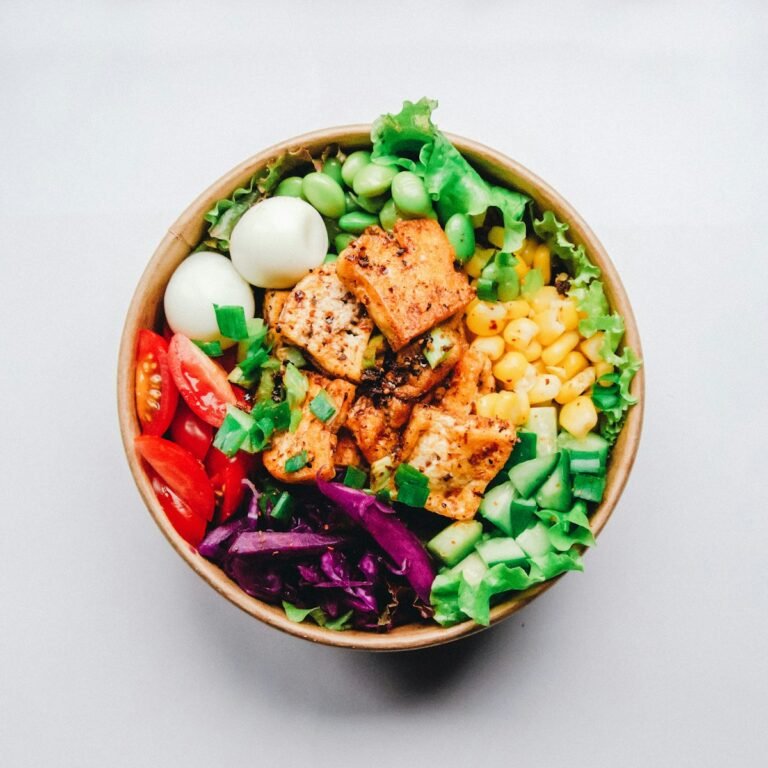
Adopting a 100% plant-based lifestyle does not mean sacrificing athletic performance, muscle retention, or daily protein targets. Following a structured 7-day vegan meal plan proves that you can achieve 120g+ of bioavailable plant protein per day while nourishing your body with high dietary fiber, essential vitamins, and clean complex carbohydrates.High-protein vegan meal prepping relies on whole food plant sources for peak athletic recovery and gut health.
By pairing legumes, soy foods, intact ancient grains, seeds, and plant protein powders, this plant-based menu delivers complete essential amino acid profiles, optimal iron absorption, and sustained daily energy without animal products.
The 4 Pillars of Vegan Nutritional Excellence
Maximizing strength and vitality on a vegan meal plan relies on four core rules:
1. Amino Acid Complementarity & Leucine Threshold
Combining complementary plant proteins—such as rice and beans, tofu and quinoa, or pea protein and hemp seeds—delivers complete amino acid saturation and the necessary leucine threshold to trigger muscle protein synthesis.
2. Non-Heme Iron & Vitamin C Pairing
Plant-based iron (from spinach, lentils, seeds, and tofu) absorbs up to 300% more effectively when eaten alongside Vitamin C rich produce like bell peppers, tomatoes, citrus, or strawberries.
3. Essential B12 & Micronutrient Protection
All strict vegans should supplement daily with 250mcg of Vitamin B12, Algal Omega-3 oil (DHA/EPA), and Vitamin D3 to safeguard nerve health and cognitive focus.
4. Fiber Satiety & Hydration
Consuming 40g+ of daily plant fiber requires drinking 3+ liters of water daily to support comfortable digestion and gut microbiome diversity.
Complete 7-Day High-Protein Vegan Schedule
This 7-day schedule provides full daily nutrition (Breakfast, AM Snack, Lunch, PM Snack, and Dinner), averaging 1,850 to 1,950 calories daily with 120g+ plant protein.
Day 1: Tofu Scramble & Lentil Power
Breakfast: High-Protein Tofu Scramble: 180g Extra-Firm Tofu scrambled with Turmeric, Spinach, Tomatoes, and Nutritional Yeast on 2 slices Whole Wheat Toast.
Morning Snack: 1 cup Unsweetened Soy Milk with 1 scoop Pea Protein Powder.
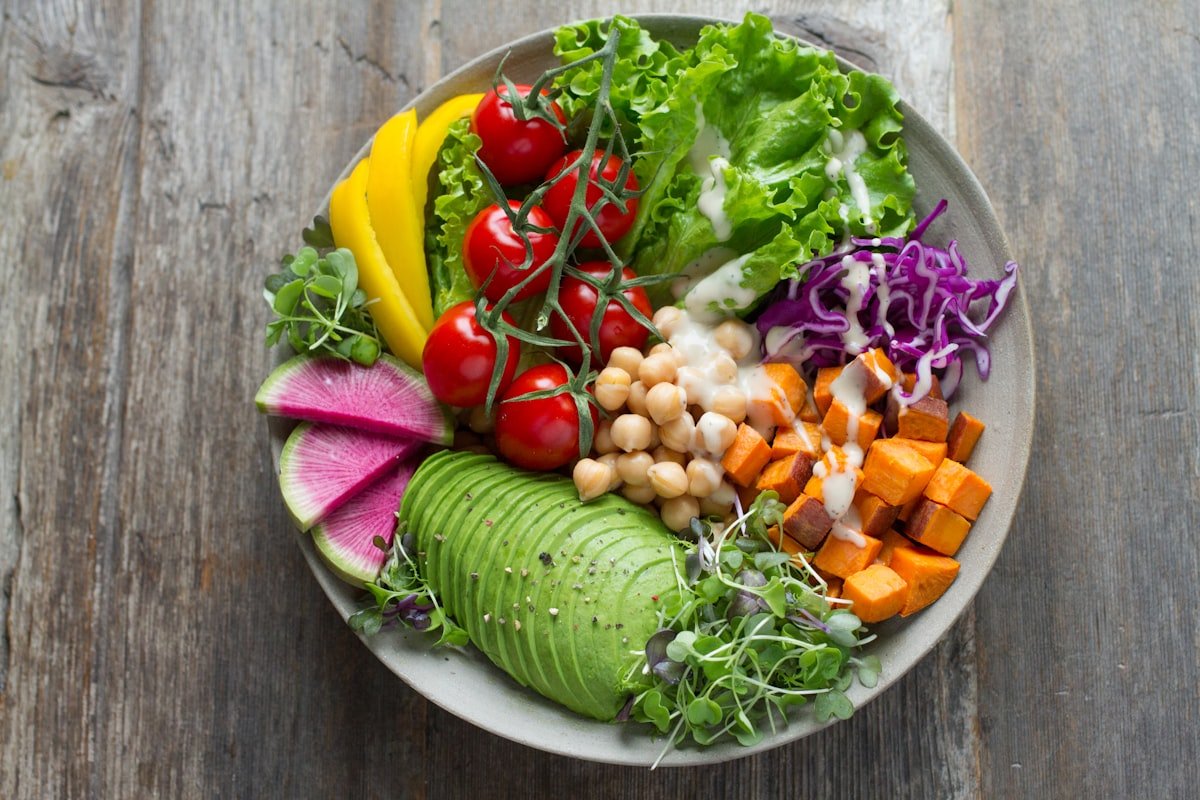
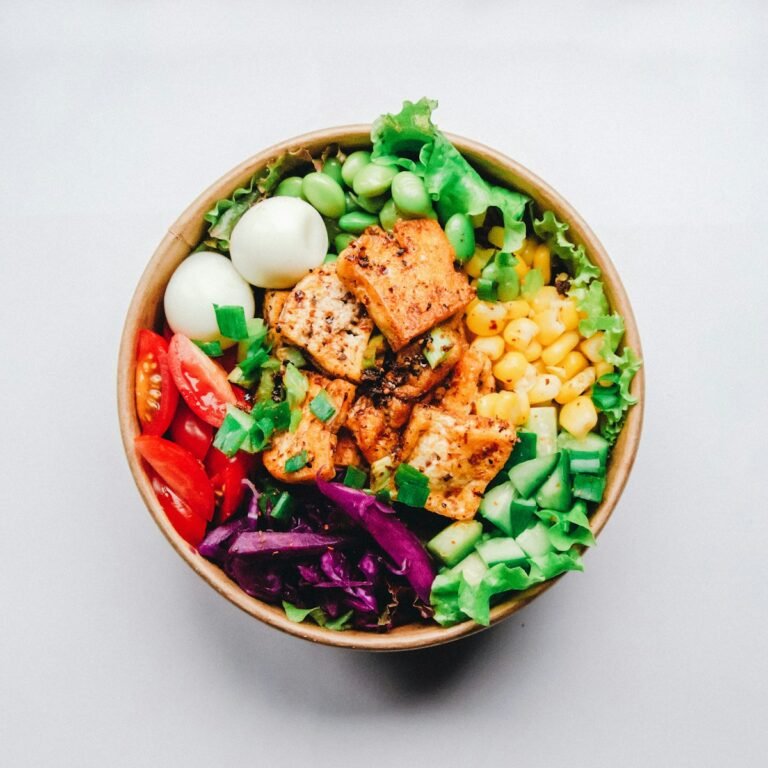
Lunch: High-Protein Quinoa Buddha Bowl: 1 cup Quinoa, 150g Roasted Chickpeas, Sliced Avocado, Cucumbers, and Tahini Lemon dressing.
Afternoon Snack: 30g Raw Pumpkin Seeds + 1 Apple.
Dinner: Hearty Red Lentil & Sweet Potato Curry served over 1 cup Brown Rice with Sautéed Garlic Kale.
Day 2: Tempeh & Edamame Charge
Breakfast: Vegan Power Oats: 1/2 cup Rolled Oats cooked in Soy Milk, stirred with 1 scoop Plant Protein, 1 tbsp Peanut Butter, and Blueberries.
Morning Snack: 1.5 cups Steamed Edamame in pods with Sea Salt.
Lunch: Leftover Red Lentil & Sweet Potato Curry over Brown Rice.
1 Bag Hemp Hearts, 1 Bag Chia Seeds, 1 Tub Peanut Butter, 1 Bottle EVOO
Pro Meal Prep & Flavor Enhancement Strategies
Maximizing the taste and efficiency of your weekly meal plan requires smart kitchen techniques. Here are 3 practical habits to streamline your daily prep:
1. Master Safe Batch Storage
Store prepped meals in airtight glass food containers rather than plastic to prevent moisture buildup and preserve food texture. Keep cooked grains and proteins fresh for up to 4 days in the refrigerator, or freeze individual portions for up to 3 weeks.
2. Elevate Flavor Without Adding Extra Calories
Use zero-calorie seasonings such as smoked paprika, garlic powder, onion flakes, cayenne pepper, fresh lemon zest, apple cider vinegar, and fresh herbs (basil, cilantro, parsley) to intensify flavor profiles without introducing unwanted fats or sodium.
3. Adjust Portions for Daily Activity Levels
On high-intensity workout days, scale up complex carbohydrates or lean protein portions by 15% to 20% to support muscle recovery. On rest days, keep portion sizes at baseline to maintain steady fat loss.
Frequently Asked Questions (FAQs)
1. Can you meet full protein needs on a vegan diet?
Yes! Consuming diverse plant protein sources (soy, lentils, hemp seeds, pea protein) easily exceeds daily protein requirements for lean muscle building and recovery.
2. Do vegans need to take B12 supplements?
Yes. Vitamin B12 is essential for red blood cell production and nerve health and should be supplemented daily with 250mcg.
3. How do I prevent gas bloat on a high-fiber plant-based plan?
Soak dry beans before cooking, increase fiber intake gradually, and drink at least 3 liters of water per day.
Conclusion
Following a structured vegan meal plan is the foundation for clean energy, gut health, and peak fitness performance. Grab your shopping list and thrive on plant power!
A comprehensive 7 day weight loss meal plan designed for effective fat loss. Features easy low-carb recipes, calorie breakdowns, tables, and a weekly grocery list.
Simplify weeknight family dinners with our 7 day meal plan for family. Budget-friendly, kid-approved recipes with daily schedules and a master grocery list.
Simplify your evenings with this 7-day weekly dinner meal plan. Features quick 30-minute weeknight recipes, sheet pan meals, 1-skillet dishes, and grocery list.
Discover simple, nutrient-dense healthy eating meal plan ideas to boost daily energy, improve gut digestion, and maintain lifelong health with weekly menus and shopping lists.