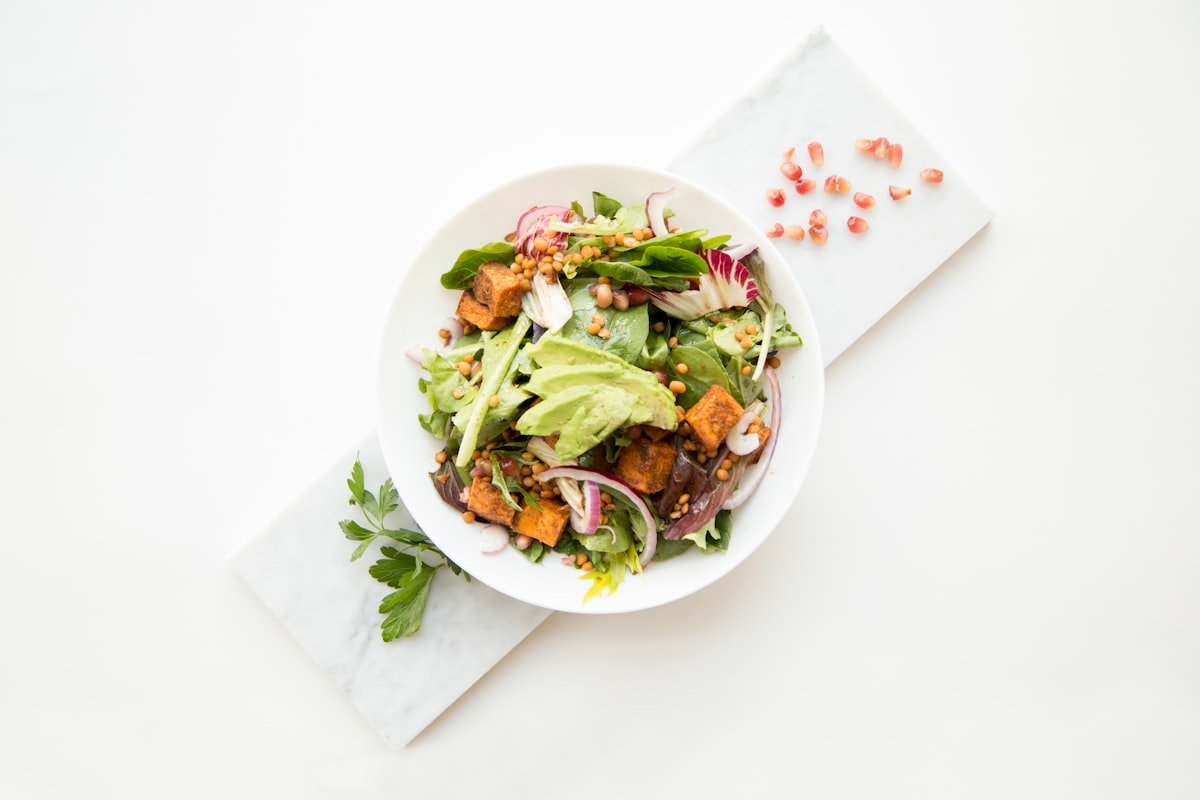
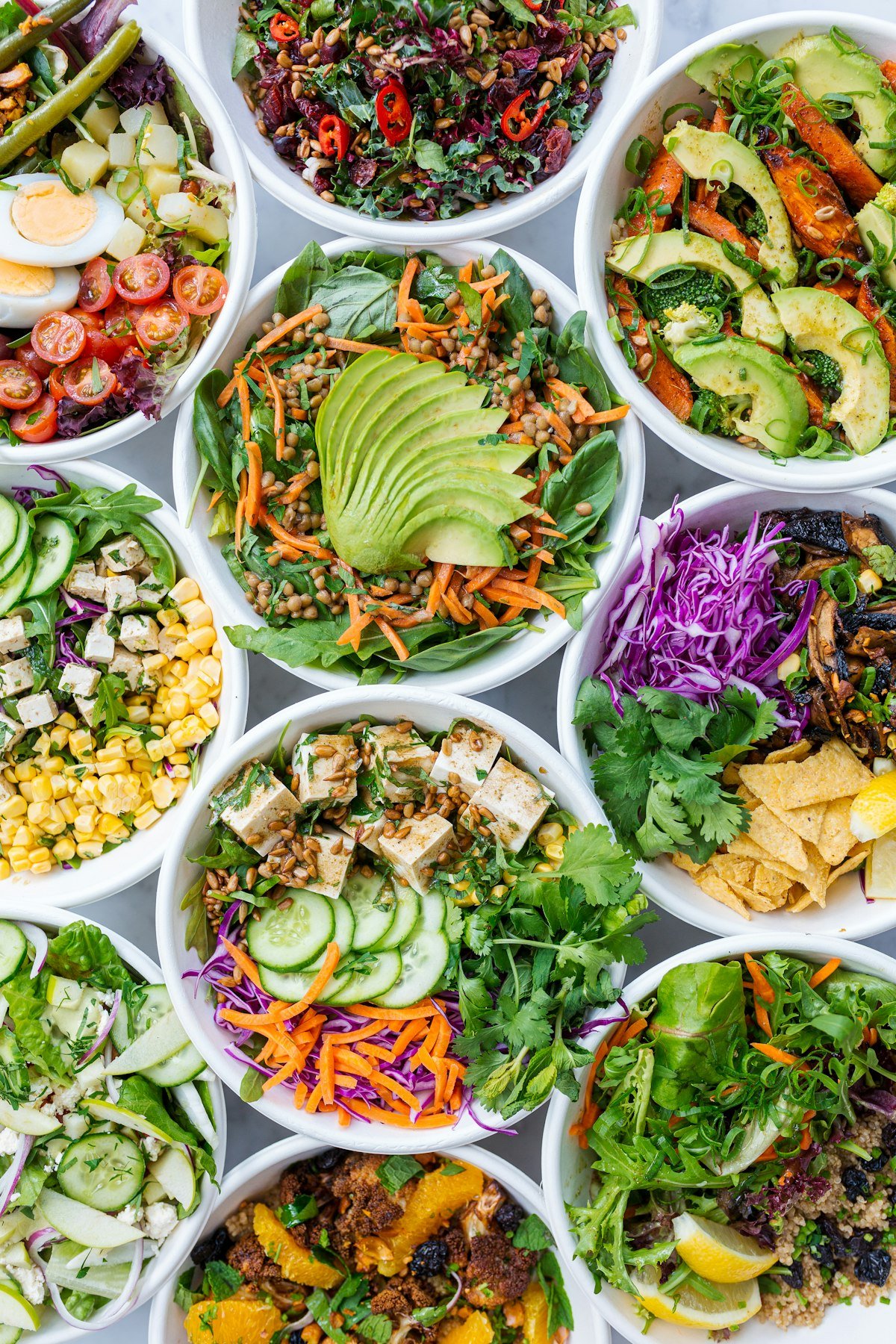
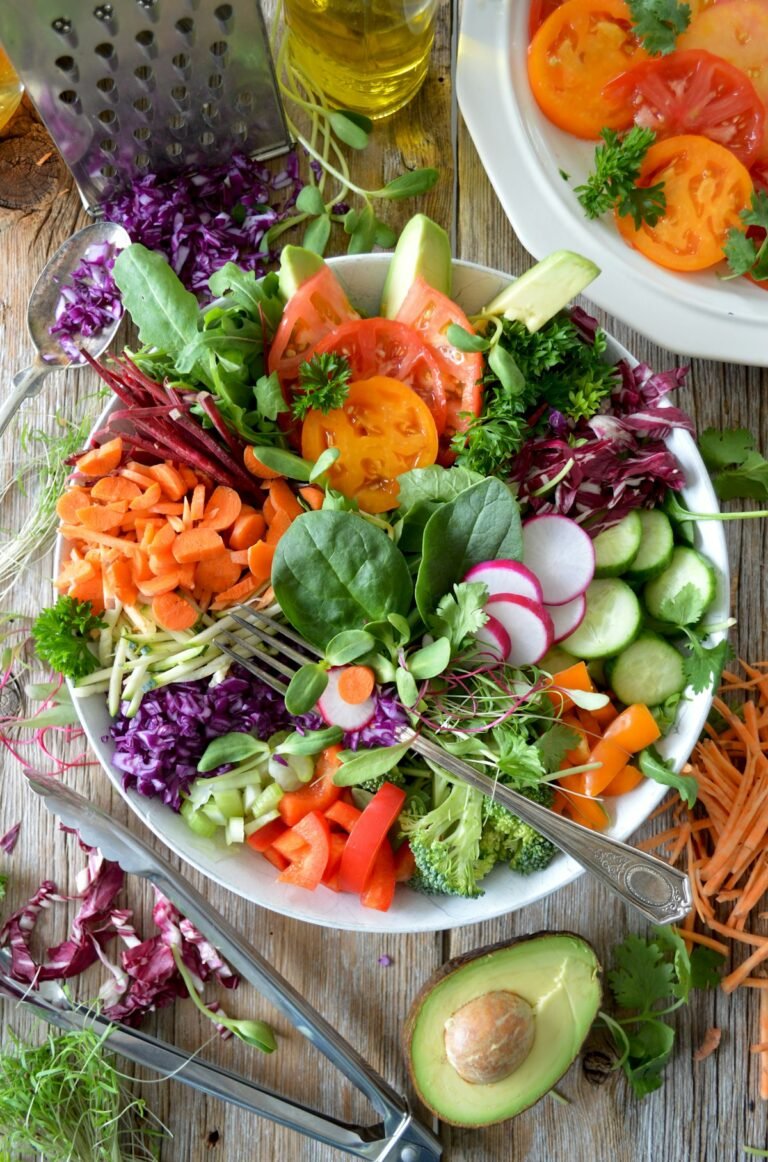
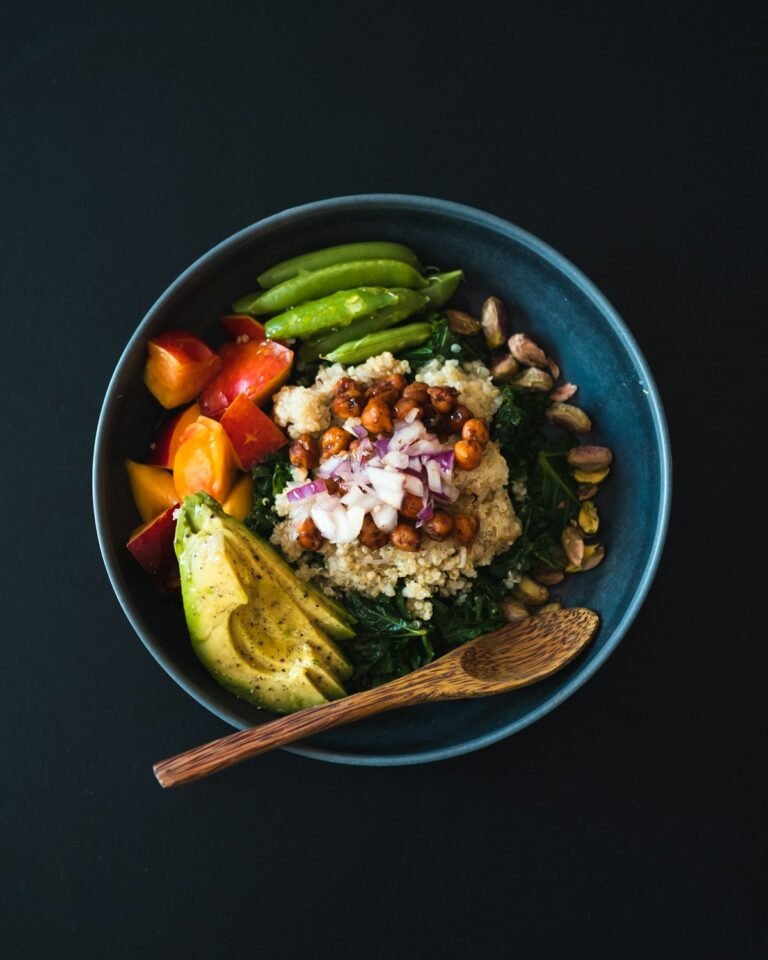
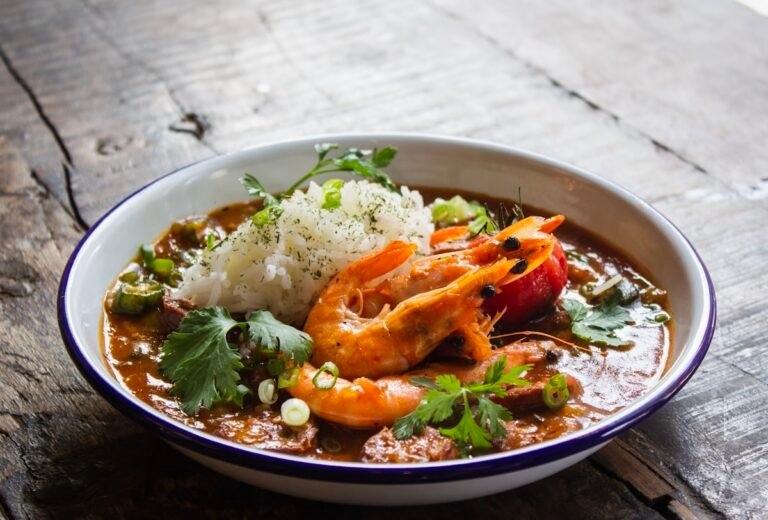
Combining the fat-burning power of nutritional ketosis with a plant-forward vegetarian diet is one of the most effective strategies for burning stubborn body fat, stabilizing insulin, and reducing systemic inflammation. By restricting daily net carbohydrates strictly to under 25g while obtaining healthy fats and high protein from eggs, full-fat dairy, avocado, extra virgin olive oil, nuts, seeds, tofu, and tempeh, a keto vegetarian meal plan accelerates weight loss without meat.Keto vegetarian meal prep combines high-protein eggs, tofu, and healthy fats for rapid ketosis without meat.
In this low-carb vegetarian guide, we explain net carb math, detail a complete 7-day starter menu, cover essential electrolyte protocols, and supply a master low-carb vegetarian grocery shopping list.
The 3 Pillars of Keto Vegetarian Nutrition
Mastering low-carb vegetarian eating comes down to three basic rules:
1. Net Carbohydrate Restricting (<25g Net Carbs)
Calculate daily net carbohydrates using the net carb formula:
Net Carbs = Total Carbs – Fiber
2. High Healthy Fats (70%+ Calories)
Incorporate extra virgin olive oil, MCT oil, butter, ghee, full-fat cheeses, avocados, hemp hearts, and macadamia nuts to fuel ketone production.
3. Plant & Egg Protein Efficiency
Include pasture-raised eggs, 0% or full-fat Greek yogurt, cottage cheese, organic extra-firm tofu, tempeh, edamame, and pea/whey protein isolate to maintain 100g+ of daily protein for muscle preservation.
Complete 7-Day Keto Vegetarian Menu Schedule
This 7-day schedule provides full daily nutrition (Breakfast, AM Snack, Lunch, PM Snack, and Dinner), averaging 1,600 to 1,720 calories daily with strictly under 20g net carbs and high healthy fats.
Day 1: Avocado Toast & Tofu Scramble Induction
Breakfast: 3 Scrambled Eggs in 1 tbsp Butter with 1/2 sliced Avocado and Sautéed Spinach.
250g Macadamia Nuts, 250g Pecans, 1 Bag Chia Seeds, 1 Bag Hemp Hearts
Pro Meal Prep & Flavor Enhancement Strategies
Maximizing the taste and efficiency of your weekly meal plan requires smart kitchen techniques. Here are 3 practical habits to streamline your daily prep:
1. Master Safe Batch Storage
Store prepped meals in airtight glass food containers rather than plastic to prevent moisture buildup and preserve food texture. Keep cooked grains and proteins fresh for up to 4 days in the refrigerator, or freeze individual portions for up to 3 weeks.
2. Elevate Flavor Without Adding Extra Calories
Use zero-calorie seasonings such as smoked paprika, garlic powder, onion flakes, cayenne pepper, fresh lemon zest, apple cider vinegar, and fresh herbs (basil, cilantro, parsley) to intensify flavor profiles without introducing unwanted fats or sodium.
3. Adjust Portions for Daily Activity Levels
On high-intensity workout days, scale up complex carbohydrates or lean protein portions by 15% to 20% to support muscle recovery. On rest days, keep portion sizes at baseline to maintain steady fat loss.
Frequently Asked Questions (FAQs)
1. How fast can a vegetarian enter ketosis?
Keeping net carbs strictly under 20g induces nutritional ketosis within 24 to 72 hours.
2. How do keto vegetarians get enough protein?
Combine eggs, full-fat Greek yogurt, cottage cheese, tofu, tempeh, seitan, hemp hearts, and pea/whey protein isolate.
3. How do I stop “Keto Flu” on a vegetarian keto diet?
Drink 2 cups of warm salted vegetable broth daily and supplement with 400mg of Magnesium Glycinate.
Conclusion
Following a keto vegetarian meal plan is a powerful path to burning body fat, stabilizing blood sugar, and enjoying clean plant-and-egg nutrition. Enjoy your low-carb transformation!
Simplify your evenings with this 7-day weekly dinner meal plan. Features quick 30-minute weeknight recipes, sheet pan meals, 1-skillet dishes, and grocery list.
The ultimate high protein vegan meal plan for bodybuilders, athletes, and fitness enthusiasts. Learn complete plant protein pairing, 7-day menus, and grocery lists.
A complete 7 day healthy meal plan centered on balanced whole foods, vital micronutrients, and sustainable energy. Includes weekly tables and grocery guide.
The ultimate 30-day carnivore diet meal plan guide. Learn how an all-meat elimination protocol resets digestion, accelerates fat loss, and boosts mental clarity with week-by-week menus and grocery lists.
Transform your health with this 30-day plant-based diet meal plan. Packed with complete plant proteins, rich fiber, and colorful whole-food menus for optimal vitality.