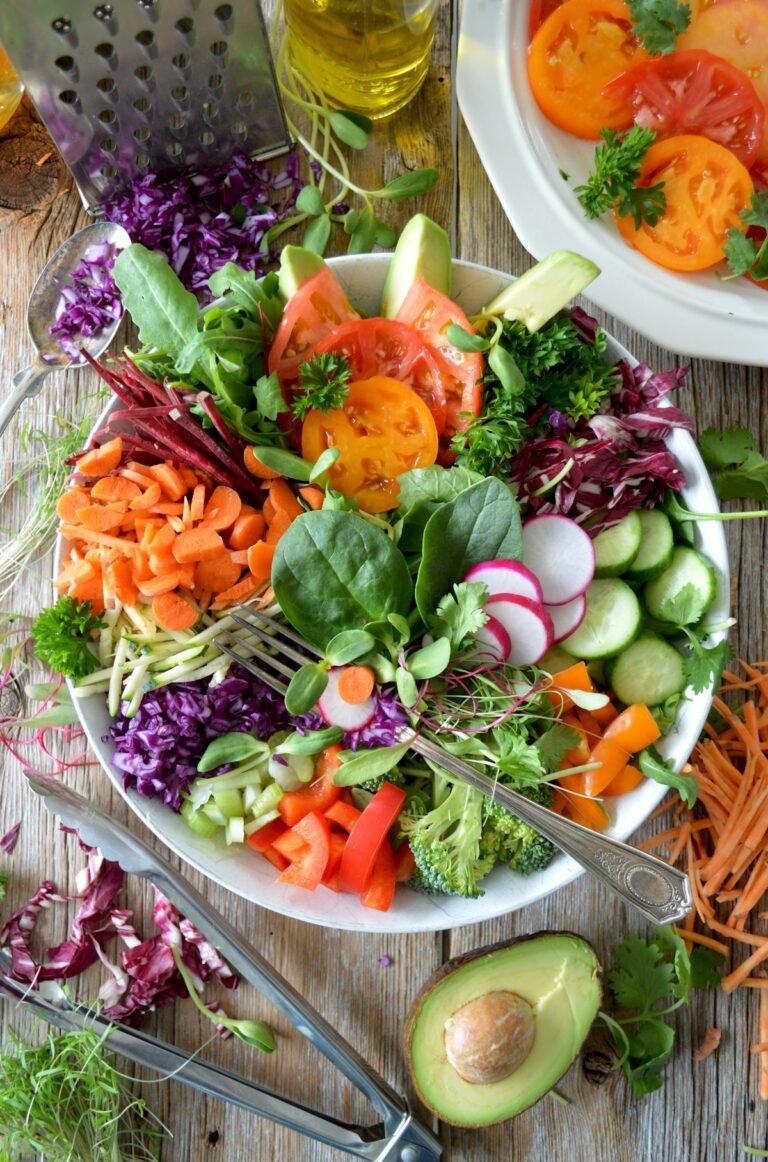
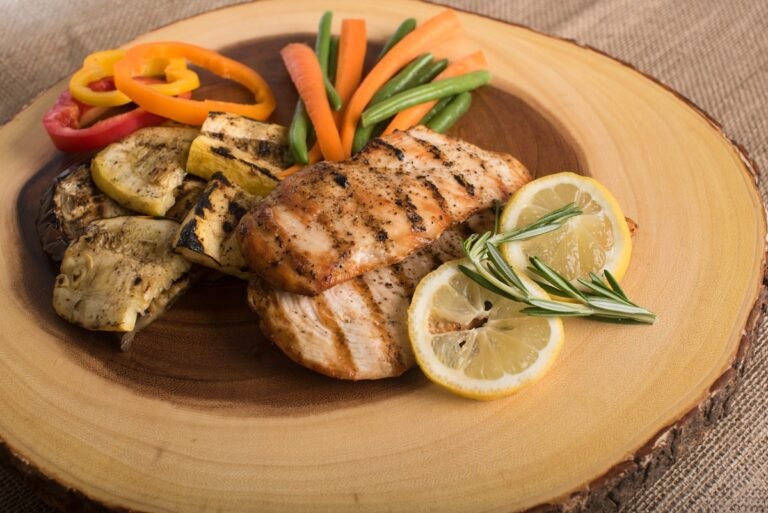
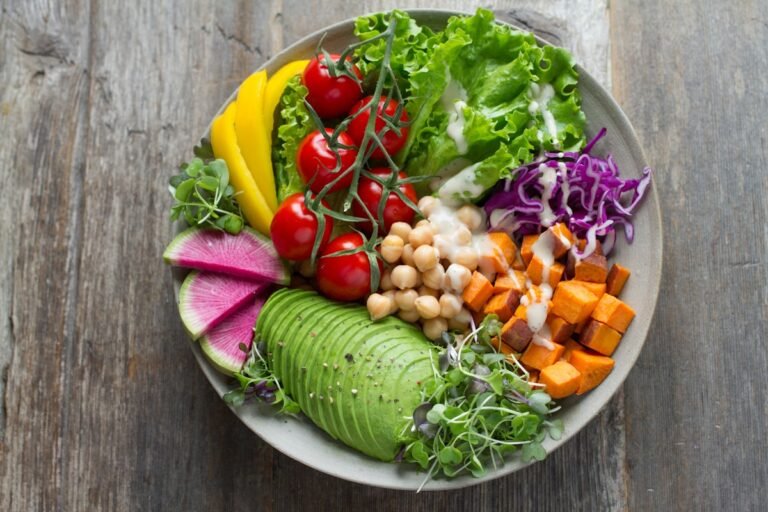
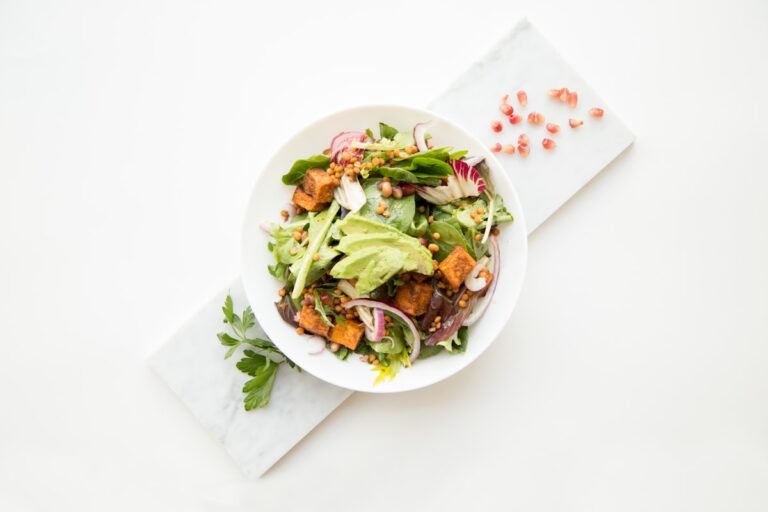
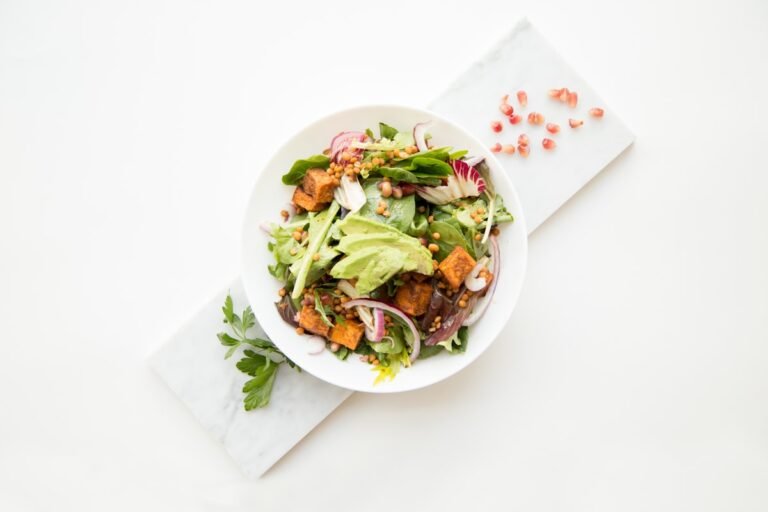
Establishing a sustainable healthy eating routine is the most reliable strategy for boosting daily energy, supporting immune function, and maintaining an ideal body composition. Following an actionable healthy eating meal plan eliminates decision fatigue by providing simple, nutrient-dense whole food recipes built around clean lean proteins, unrefined complex carbohydrates, healthy fats, and fresh produce.Whole-food healthy eating supplies unrefined nutrients for long-lasting daily energy and digestive balance.
By focusing on unrefined ingredients—such as pasture-raised eggs, wild-caught fish, lean poultry, oats, sweet potatoes, avocados, and fresh berries—this weekly menu maintains a balanced intake of 1,800 to 1,950 daily calories.
The 4 Pillars of Healthy Eating
Sustaining peak vitality and gut health relies on four practical dietary rules:
1. High Protein Distribution
Consuming 25g to 35g of bioavailable protein per meal stimulates muscle protein synthesis and keeps hunger hormones suppressed throughout the day.
2. Fiber Satiety & Microbiome Nourishment
Targeting 35g+ of daily dietary fiber from oats, legumes, chia seeds, and leafy greens feeds beneficial gut microbiota, optimizing bowel regularity and insulin sensitivity.
3. Micronutrient Density
Filling half your plate with colorful non-starchy vegetables ensures high vitamin, mineral, and phytonutrient intake to combat oxidative stress.
4. Essential Fatty Acid Balance
Using extra virgin olive oil, avocados, chia seeds, and wild salmon supplies monounsaturated fats and anti-inflammatory Omega-3s.
Complete 7-Day Healthy Eating Menu Schedule
This 7-day schedule provides full daily nutrition (Breakfast, AM Snack, Lunch, PM Snack, and Dinner), averaging 1,850 to 1,950 calories daily.
Day 1: Whole Food Kickstart
Breakfast: 3 Scrambled Eggs with Spinach and Tomatoes + 1/2 sliced Avocado on 2 Whole Wheat Toast slices.
Morning Snack: 1 cup 0% Greek Yogurt topped with 1/2 cup Fresh Blueberries and 1 tsp Honey.
Lunch: 180g Grilled Herb Chicken Breast, 1 cup Cooked Quinoa, and 1.5 cups Steamed Garlic Broccoli.
Maximizing the taste and efficiency of your weekly meal plan requires smart kitchen techniques. Here are 3 practical habits to streamline your daily prep:
1. Master Safe Batch Storage
Store prepped meals in airtight glass food containers rather than plastic to prevent moisture buildup and preserve food texture. Keep cooked grains and proteins fresh for up to 4 days in the refrigerator, or freeze individual portions for up to 3 weeks.
2. Elevate Flavor Without Adding Extra Calories
Use zero-calorie seasonings such as smoked paprika, garlic powder, onion flakes, cayenne pepper, fresh lemon zest, apple cider vinegar, and fresh herbs (basil, cilantro, parsley) to intensify flavor profiles without introducing unwanted fats or sodium.
3. Adjust Portions for Daily Activity Levels
On high-intensity workout days, scale up complex carbohydrates or lean protein portions by 15% to 20% to support muscle recovery. On rest days, keep portion sizes at baseline to maintain steady fat loss.
Frequently Asked Questions (FAQs)
1. Is this healthy meal plan easy to follow for beginners?
Yes! It relies on simple, accessible whole-food ingredients and requires minimal kitchen prep time.
2. Can I substitute ingredients I don’t like?
Yes. Swap lean proteins for equal portions of fish or tofu, and rotate your favorite green vegetables as desired.
3. How do I maintain consistency on weekends?
Prepare batch meals on Sunday so you always have healthy whole-food options ready in the fridge.
Conclusion
Adopting a whole-food healthy eating plan is the best decision for lifelong health and sustained daily energy. Plan your meals and enjoy your transformation!
Nourish your body with this complete 7-day vegetarian diet meal plan. Features balanced whole-food weekly menus, essential nutrient guides, and shopping lists.
Learn how to build a high protein meal plan for weight loss that preserves muscle, controls hunger, and maximizes fat loss. Includes a complete 7-day high protein diet meal plan with recipes, protein targets, and meal prep strategies.
Fuel your body with this high-protein vegetarian weekly meal plan. Includes 7-day plant-based schedule (85g+ protein daily), recipes, shopping list, and prep hacks.
Build a practical weekly meal plan for weight loss with a complete 7-day plan, grocery list strategy, meal prep guide, and tips for adjusting calories to your individual needs. Plan once, eat well all week.
Achieve rapid ketosis with our comprehensive 7 day keto meal plan. Includes net carb calculations, electrolyte guides, daily tables, and a keto grocery list.