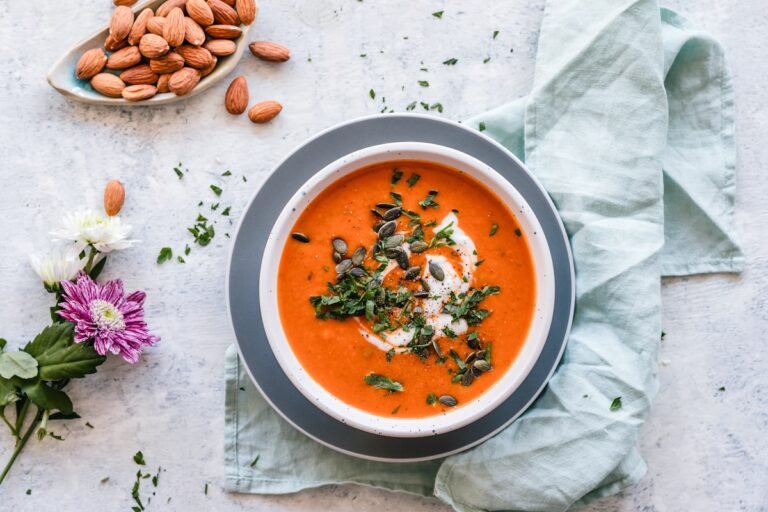
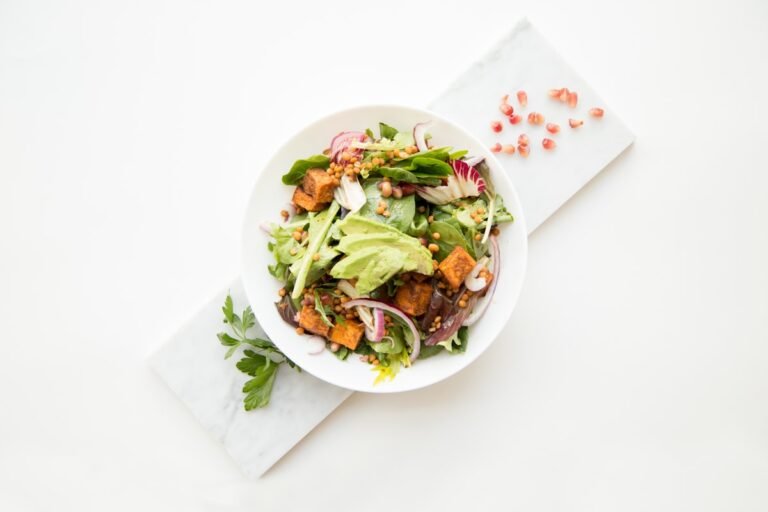
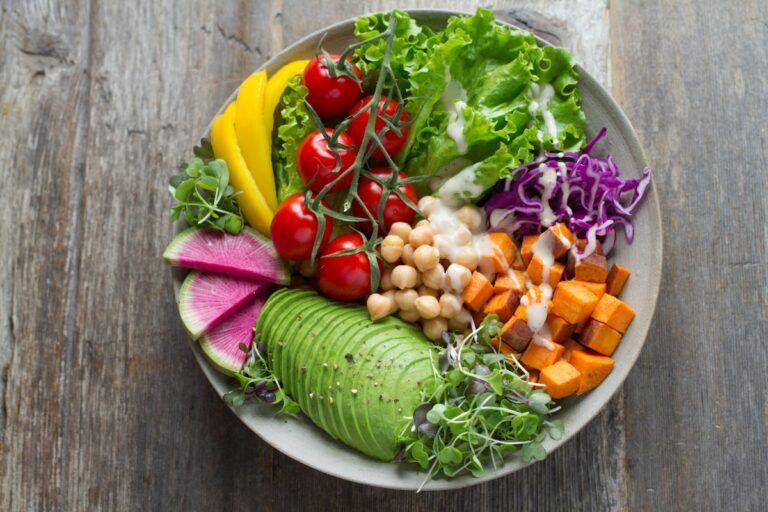
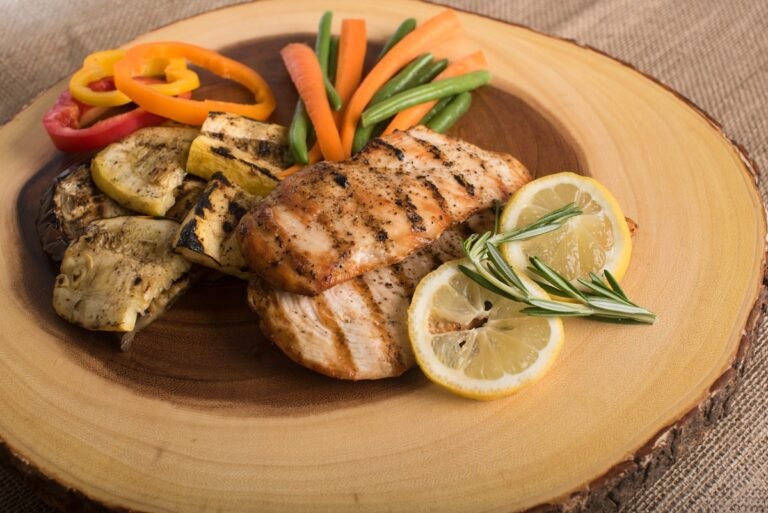
Achieving significant, long-term body fat loss requires a structured protocol that maintains a steady caloric deficit while keeping your energy levels high and stomach satisfied. Following a comprehensive 30-day meal plan for weight loss provides a clear 4-week blueprint to shed 6 to 10 pounds of stored fat without metabolic slowing or extreme hunger.Structured 30-day meal prep maintains a steady 500-calorie daily deficit for continuous fat loss.
By balancing lean poultry, white fish, eggs, low-GI complex carbs, berries, and high-volume vegetables across 4 distinct progressive phases, this monthly program maximizes satiety and accelerates your metabolism.
The 4 Phases of 30-Day Fat Oxidation
Sustaining fat loss over a full month relies on four structured weekly phases:
Week 1: Water Bloat Reset & Glycogen Depletion
Eliminating processed sugars and refined sodium flushes 2-4 pounds of excess water bloat, resetting insulin sensitivity and eliminating sugar cravings.
Week 2: Metabolic Elevation & High Satiety
High daily protein (130g+) paired with soluble fiber keeps leptin levels active and maximizes the Thermic Effect of Food (TEF).
Week 3: Deep Fat Oxidation Phase
Your body oxidizes visceral fat reserves consistently as your basal metabolic rate adapts to clean whole-food nutrition.
Week 4: Recomposition & Maintenance Blueprint
Establishing long-term portion control habits ensures that lost body fat stays off permanently after completing the 30 days.
Complete 30-Day Weight Loss Schedule
This 30-day schedule provides full daily nutrition across all 4 weeks (Breakfast, AM Snack, Lunch, PM Snack, and Dinner), averaging 1,450 to 1,550 calories daily.
Week 1 Menu (Days 1–7): Water Bloat & Glycogen Reset
Breakfast: 3 Scrambled Egg Whites + 1 Whole Egg with 1 cup Spinach, served with 1 slice Whole Wheat Toast.
Morning Snack: 1 cup 0% Greek Yogurt with 1/2 cup Raspberries.
Maximizing the taste and efficiency of your weekly meal plan requires smart kitchen techniques. Here are 3 practical habits to streamline your daily prep:
1. Master Safe Batch Storage
Store prepped meals in airtight glass food containers rather than plastic to prevent moisture buildup and preserve food texture. Keep cooked grains and proteins fresh for up to 4 days in the refrigerator, or freeze individual portions for up to 3 weeks.
2. Elevate Flavor Without Adding Extra Calories
Use zero-calorie seasonings such as smoked paprika, garlic powder, onion flakes, cayenne pepper, fresh lemon zest, apple cider vinegar, and fresh herbs (basil, cilantro, parsley) to intensify flavor profiles without introducing unwanted fats or sodium.
3. Adjust Portions for Daily Activity Levels
On high-intensity workout days, scale up complex carbohydrates or lean protein portions by 15% to 20% to support muscle recovery. On rest days, keep portion sizes at baseline to maintain steady fat loss.
Frequently Asked Questions (FAQs)
1. How much total weight can I lose in 30 days?
Most individuals lose between 6 to 12 pounds over 30 days when following this structured whole-food meal plan consistently.
2. Can I repeat this 30-day meal plan?
Yes. If you have further weight loss goals, you can safely continue this meal plan for another 30-day cycle.
3. What should I drink during the 30 days?
Drink water, sparkling water, black coffee, and green tea. Aim for at least 3 liters of total fluid per day.
Conclusion
Following a structured 30-day weight loss meal plan guarantees continuous body fat reduction and lifelong metabolic health. Stick to the plan and enjoy your physical transformation!
Master low-carb fat loss with this keto diet meal plan for beginners. Learn net carb math, electrolyte secrets, 7-day starter menus, and easy low-carb grocery lists.
Simplify your family’s dinners with this stress-free weekly meal plan. Includes kid-friendly 7-day schedule, recipes, hidden-veggie hacks, and shopping list for 4.
Combine plant-based eating with fat-burning ketosis in this keto vegetarian meal plan. Features strict net-carb targets, high-fat plant menus, and grocery lists.
Master how to plan weekly meals with this ultimate step-by-step guide. Features a 6-step framework, meal plan sheet template, theme night ideas, and prep hacks.
Master hypertrophy nutrition with our high protein meal plan for muscle gain. Includes a complete 7-day meal plan, leucine threshold science, and post-workout timing.